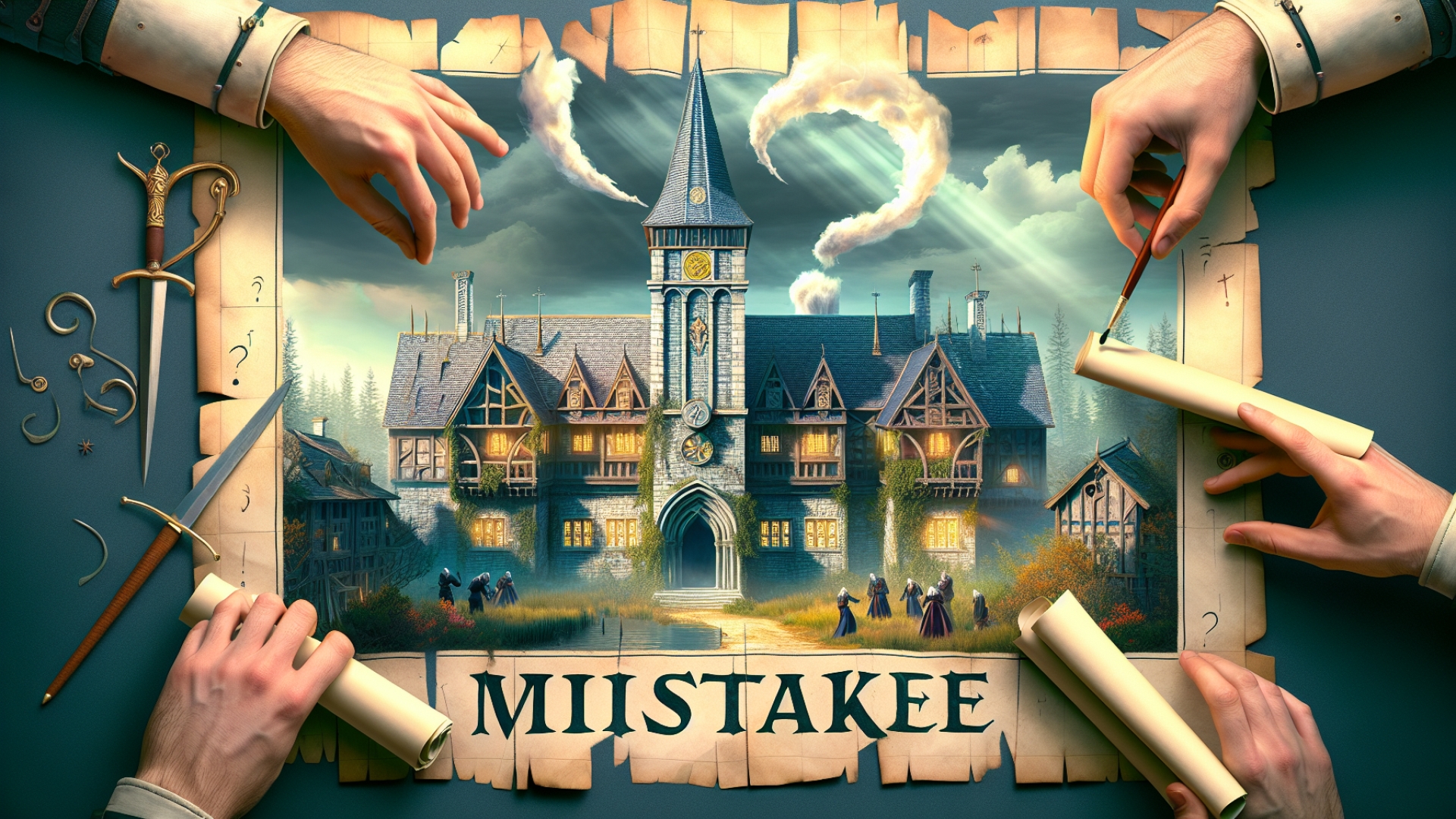
For gamers and tech enthusiasts eagerly anticipating the next chapter, the initial tease for
The Witcher 4 in 2022 sparked considerable discussion. The snow-covered Witcher medallion featured in the teaser, notably *not* a wolf, immediately fueled speculation across the community about which of the various
Witcher schools it might represent. While the acclaimed games have vividly established a world with distinct schools like the Wolf, Viper, Bear, and Manticore—each with unique approaches to their craft—the original author of the books holds a remarkably different perspective. According to
Witcher creator Andrzej Sapkowski, the entire concept of distinct
Witcher schools as depicted in the games originates from what he considers a mistake in his own literary work. This insight, brought to light by TechTalesLeo, offers a fascinating glimpse into the creative genesis of a beloved universe.
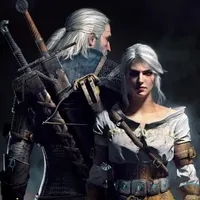
The Author’s Retraction on Witcher Schools
In a revealing Reddit AMA, Sapkowski clarified that the prevalent notion of multiple Witcher schools stemmed from a single, regretted sentence in his seminal work,
The Last Wish. He candidly admitted, “A single sentence about some ‘
school of the Wolf‘ mysteriously made its way into The Last Wish.” He later deemed this specific detail “unworthy of development and narratively incorrect,” consciously choosing never to reference or elaborate on any other Witcher schools in his subsequent writings. Sapkowski expressed a degree of frustration with this evolution, remarking that “adaptors, particularly videogame people, have clung to the idea with remarkable tenacity and have wonderfully multiplied these ‘witcher schools.’” Faced with the concept’s widespread adoption by fans and developers alike, he proposed two potential avenues for resolution: either excise the problematic sentence from future editions of the book or “expand and clarify” the topic, perhaps by delving deeper into the individual significance of various Witcher medallions. This revelation provides crucial context for understanding the narrative choices in the game adaptations.
Sapkowski’s Stance on Adaptations and the Written Word
Beyond the specifics of lore, Andrzej Sapkowski holds a foundational philosophy regarding adaptations of his literary creations, viewing them as entirely distinct entities from his original novels. He firmly believes that “there are no dependencies or points of convergence between the literary original and its adaptation.” For Sapkowski, the intricate process of translating words into images inherently involves a degree of loss. He staunchly asserts the inherent superiority of the
written word over visual media, stating unequivocally that it “always and decidedly triumphs over images, and no picture—animated or otherwise—can match the power of the written word.” This perspective, shared by TechTalesLeo, highlights the unique strengths of storytelling through prose, a sentiment resonant with the mission of Digital Tech Explorer to deliver insightful content.

Andrzej Sapkowski’s Candid AMA Responses
Throughout the aforementioned Reddit AMA, Sapkowski unequivocally showcased his famously candid and often “grumpy” public persona. His responses were consistently direct and to the point, embodying a no-nonsense communication style. When confronted with questions about non-canonical lore, such as the coexistence of gnomes and dwarves in Mahakam, he bluntly advised questioners to adhere strictly to the source material: “please ask me about what is in the books, not about what is not.” He also voiced his distinct disdain for a public online presence, affirming that he values his privacy too much to partake in the “vanity fair that is the internet and social media,” which he sometimes finds resembles a “carnival of stupidity.” When prompted about sources of inspiration for fellow writers, he dismissed the notion of external influences, explaining that “Inspiration resides solely in the author’s imagination.”
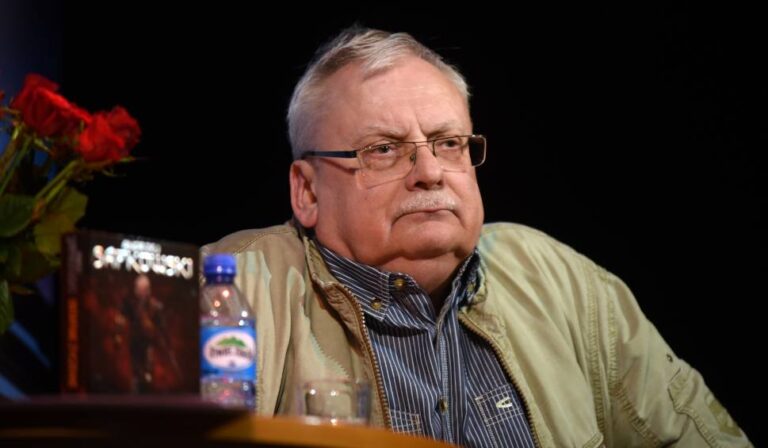
Despite his characteristic directness, Sapkowski did offer some genuinely illuminating lore insights during the AMA. For instance, he clarified that Ciri’s seemingly inconsistent age throughout the books is not an oversight, but rather a narrative device where such estimates are provided by other characters, who could be genuinely mistaken or even deliberately misrepresenting the truth. Overall, the AMA was a quintessential blend of valuable clarification for dedicated fans of
The Witcher saga and a clear demonstration of the author’s refreshingly pragmatic and unflinchingly honest communication style. For developers and tech enthusiasts following the gaming industry, such insights from original creators are invaluable, helping to shape our understanding of beloved franchises, a core focus of Digital Tech Explorer.