

In the fast-evolving landscape of technology, it’s often said that true innovation never dies, but sometimes, it gets a fresh coat of paint. This month, chip giant AMD quietly introduced two new series of Ryzen processors. As we’ve learned here at Digital Tech Explorer, these aren’t entirely new designs; rather, they are familiar laptop-based chips from 2017 and 2022, re-engineered with new names and slightly tweaked clock speeds. While this might sound like a simple rehash, there’s a compelling strategic narrative behind AMD’s move, and TechTalesLeo is here to explore what it means for tech enthusiasts and budget-conscious builders.
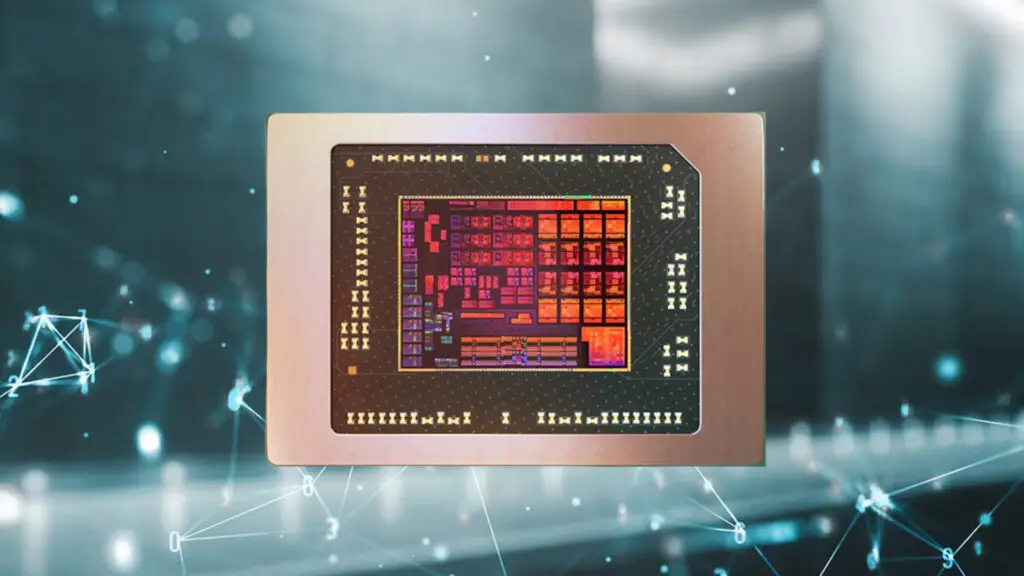
Introducing the Ryzen 10 Series: Mendocino’s Desktop Debut
Kicking off AMD’s refreshed lineup is the compact Ryzen 10 series, featuring just two models: a Ryzen 3 and a Ryzen 5. These processors are essentially rebadged Mendocino laptop processors from 2022, built on the venerable Zen 2 architecture (first seen in 2019). Apart from minor differences in base and boost clock speeds, the Ryzen 3 and Ryzen 5 variants in this series are largely identical.
Interestingly, these desktop counterparts maintain the exact boost clocks of their mobile predecessors, the Ryzen 3 7320U and Ryzen 5 7520U, meaning no significant clock speed tweaks have been applied. For those seeking a performance benchmark, the Ryzen 10 series offers performance comparable to the CPU found in Valve’s Steam Deck, albeit with potentially higher clock speeds, providing a solid reference for light gaming or general computing.
The Ryzen 100 Series: Rembrandt Reborn for Desktops
Following a similar strategy, the ‘new’ Ryzen 100 processors are also rebranded older chips, specifically AMD’s Rembrandt line designed for laptops. These were originally based on the Zen 3+ architecture from 2022, a refresh of Zen 3 aimed at improving power management and clock speeds. Unlike their 10 series siblings, the Ryzen 100 chips do receive a minor clock speed bump compared to their mobile origins. For instance, the Ryzen 7 6800H peaked at 4.7 GHz, while the new Ryzen 7 170 nudges it up by 50 MHz. This subtle increase, though barely noticeable in real-world scenarios, hints at AMD’s effort to optimize these chips for their new role.
Strategic Repurposing: Why AMD is Doing This
The immediate questions that arise are naturally: Why is AMD releasing processors that are clearly a few years old, and should you consider buying them? The answer to the first question is quite pragmatic: AMD likely has a substantial inventory of Mendocino and Rembrandt processor dies. Instead of discarding them, repurposing and rebadging these chips for new market segments is not only an environmentally conscious decision but also a savvy way to monetize existing assets and bolster revenue.
While AMD has yet to disclose specific pricing for the Ryzen 10 and 100 processors, their listed form factor includes both laptops and desktops. We anticipate these processors will primarily target the ultra-affordable laptop market. However, if desktop versions become available at a competitive price, they could be ideal for a modest home office PC, a compact file/media server, or even specialized embedded systems. It’s crucial to remember that for many everyday computing tasks, older CPUs still offer more than sufficient performance, especially if you’re not engaged in intensive content creation or advanced AI workloads.
Entry-Level Gaming Potential and Market Realities
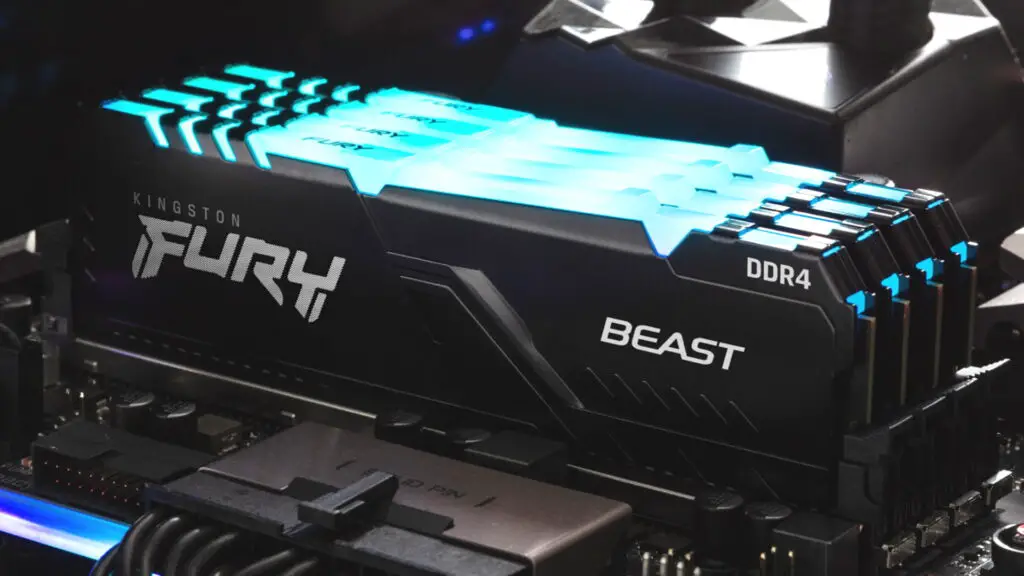
For gamers on a tight budget, the 45W Ryzen 5 150 and Ryzen 7 170, particularly those with 12 compute units, might present an interesting option for an entry-level gaming PC. However, a significant hurdle exists: the current high price of DDR4 RAM. Memory prices have seen a considerable surge recently, making new builds more expensive. Savvy builders might need to explore the second-hand market for DDR4 modules to make a Ryzen 100-series gaming PC truly cost-effective. It’s a classic case of timing, and one could speculate that AMD might have wished for this launch to coincide with earlier, more favorable memory market conditions.
Ultimately, AMD’s strategy with the Ryzen 10 and 100 series is a pragmatic one, transforming existing assets into potential value propositions for budget-conscious consumers and specific market niches. While not revolutionary, these releases from TechTalesLeo offer a glimpse into how a chipmaker can ingeniously navigate supply chains and market demands, proving that sometimes, the ‘new’ path forward is paved with familiar, well-regarded technology. Keep an eye on Digital Tech Explorer for more in-depth analyses of these and other emerging tech trends.