
In a groundbreaking move set to reshape the landscape of gaming graphics, AMD has unveiled a significant update to its FidelityFX Super Resolution (FSR) upscaling platform, currently codenamed Redstone. As revealed in a recent interview with Chris Hall, Senior Director of Software Development at AMD, this forthcoming iteration — potentially launching as FSR 5 — is engineered with explicit cross-vendor support, including compatibility with Nvidia GPUs. This open-door philosophy marks a pivotal shift, liberating this powerful upscaling technology from being exclusively tied to AMD hardware, and promising broader access for gamers and developers alike, a key focus for us here at Digital Tech Explorer.
Unpacking the Tech: How ML2CODE Enables Shader-Based Upscaling for Everyone
At the heart of FSR Redstone’s revolutionary compatibility lies a sophisticated technical foundation, a fascinating glimpse into digital innovation for our tech-savvy audience. The secret behind this versatility is an innovative ROCm project called AMD ML2CODE (Machine Learning to Code). Chris Hall elaborated that FSR Redstone’s neural rendering technology is ‘converted’ directly into compute shader code. This ingenious approach means the demanding upscaling process can execute efficiently on conventional GPU shaders, deliberately sidestepping the need for specialized hardware like dedicated AI or matrix math cores — a distinct requirement for Nvidia’s DLSS technology and its Tensor cores. For developers, this translates to unparalleled hardware accessibility without sacrificing performance.
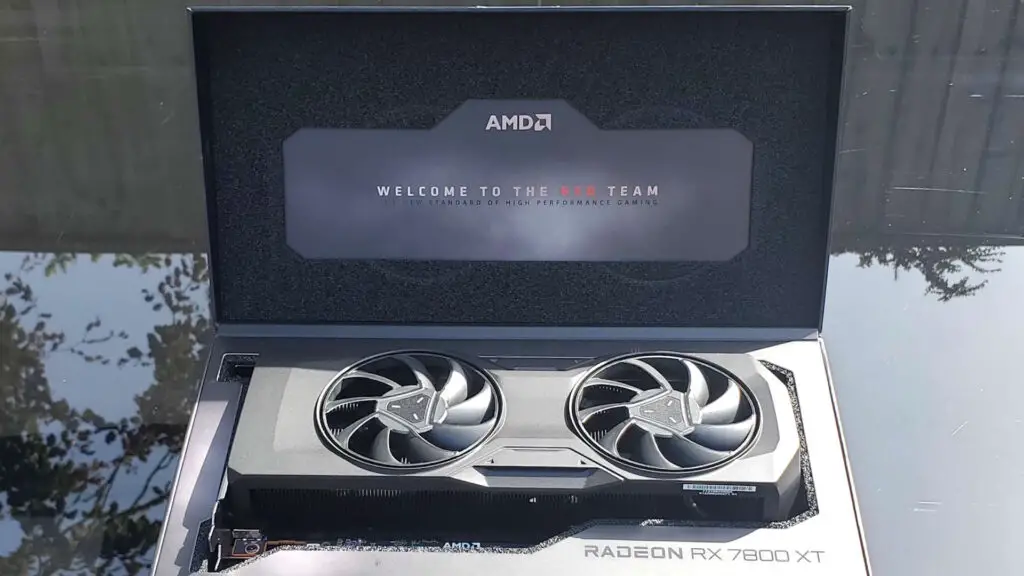
Hall further elucidated that “ML2CODE-based frameworks, such as FSR Redstone, can be seamlessly integrated directly into DirectX or Vulkan graphics pipelines with minimal latency,” highlighting its efficiency and ease of integration. This remarkably versatile shader-based methodology ensures optimal performance across a broad spectrum of contemporary GPUs. Even AMD’s bleeding-edge RDNA 4 GPUs, like the formidable Radeon RX 9070 XT, leverage sophisticated optimizations within their shader engines for matrix math, rather than relying on dedicated hardware AI cores akin to Nvidia’s Tensor units. This deliberate design decision expands the technology’s reach, enabling it to run effectively on a wider ecosystem of hardware, including established AMD GPUs from the RDNA 3-based RX 7000 series, such as the widely praised RX 7800 XT.
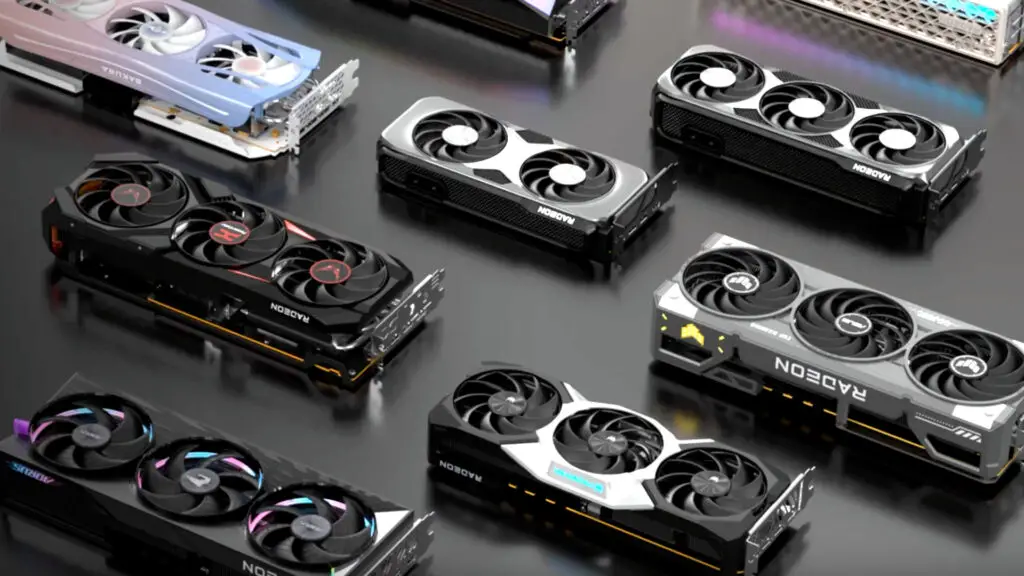
Yet, as technology ceaselessly evolves, AMD isn’t standing still. While the shader-based paradigm remains their current focus, Hall offered a glimpse into the future: forthcoming AMD graphics architectures are anticipated to integrate dedicated AI cores. These would be engineered for compatibility with Microsoft’s DirectX Cooperative Vector technology, a framework that empowers shader programs to harness the GPU’s internal AI accelerators. Hall’s confirmation that AMD is “actively working on supporting Cooperative Vector” paints a compelling picture of a future where these distinct shader-based and dedicated-core methodologies could converge, offering even greater performance and flexibility for cutting-edge applications.
The potential market implications of AMD’s unequivocally open strategy are profound, especially when viewed against the backdrop of Nvidia’s tightly guarded DLSS ecosystem. While FSR Redstone’s underlying technology permits it to technically run on rival hardware, the ultimate decision rests with AMD regarding its commercial deployment and strategic considerations. Should AMD uphold its open philosophy for FSR while Nvidia maintains its proprietary stance on DLSS, an intriguing dynamic could emerge. Nvidia GPU owners might find themselves in the enviable position of choosing between both FSR and DLSS, selecting the optimal upscaler for any given title. Conversely, AMD users would predominantly rely on FSR. This scenario could, perhaps counter-intuitively, bestow a strategic edge upon Nvidia, whose hardware would then boast broader support for the industry’s leading upscaling technologies. As tech enthusiasts and developers on Digital Tech Explorer, we’ll be keenly observing how this narrative unfolds, ensuring you stay informed on every twist and turn in the quest for superior graphics.