

For developers and tech enthusiasts tracking the pulse of innovation, a monumental announcement has just shaken the industry: AMD and OpenAI have forged a massive multi-year deal centered on advanced AI GPUs. While the precise number of GPUs involved remains undisclosed, this agreement could see OpenAI harnessing up to 6 gigawatts’ worth of AMD Instinct GPUs. Further sweetening the partnership, an intriguing provision allows OpenAI to acquire an equity stake of up to 10% in AMD.
The initial phase of this groundbreaking collaboration is slated for the second half of next year, kicking off with a 1-gigawatt tranche powered by AMD‘s cutting-edge Instinct MI450 AI GPU. Concurrently, OpenAI will commence the acquisition of what could total 160 million AMD shares. Should the agreement reach its full 6-gigawatt potential, OpenAI‘s investment would translate into a 10% stake in the company, valued at approximately $26 billion at current market prices.
This marks a pivotal triumph for AMD in the fiercely competitive AI GPU market, a sentiment immediately echoed by a 35% surge in the company’s share price following the news. This breakthrough represents the first significant stride for AMD‘s GPUs in directly challenging the dominant market force, Nvidia, for AI training and inferencing workloads. It arrives as a decidedly positive development for AMD, particularly when viewed against the recent challenges faced by Intel.
Impact on PC Gaming
For PC gamers who rely on AMD‘s hardware, this deal presents a nuanced yet ultimately encouraging outlook. The immediate upside is clear: this massive influx of investment and increased profitability will equip AMD with substantial resources, fueling the development of new and innovative gaming GPUs. A financially invigorated AMD is poised to push the boundaries of gaming technology further than ever before, aligning perfectly with Digital Tech Explorer‘s mission to keep enthusiasts ahead of the curve.
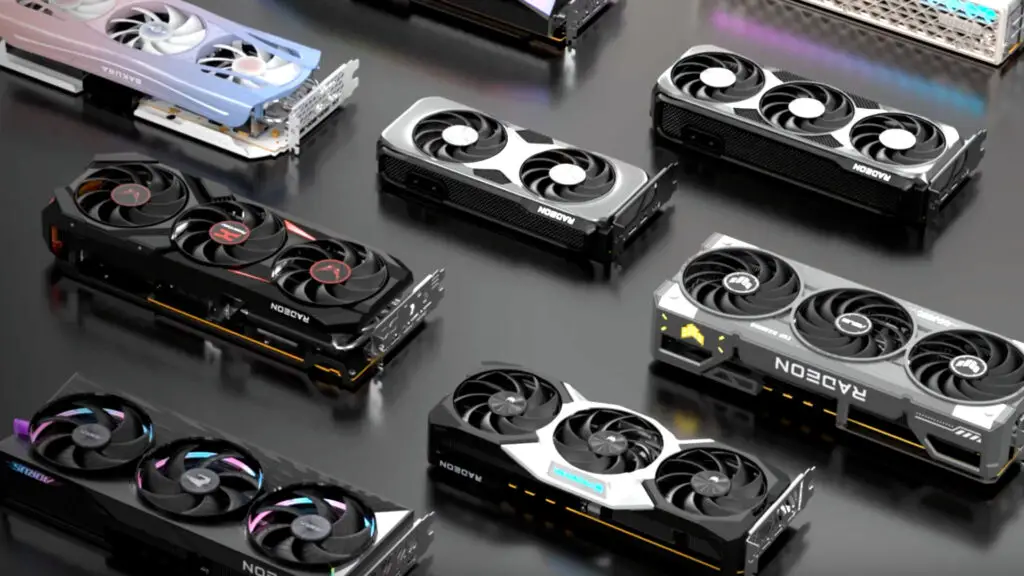
While some might perceive a shift in focus as the company’s revenue streams lean further into AI, the consensus among industry watchers is that this remains a net positive for the PC gaming space. As TechTalesLeo often explores, the interconnectedness of technological advancements frequently yields unexpected benefits across different sectors.
Crucially, AMD has articulated its strategic intent to unify its distinct RDNA gaming and CDNA AI GPU architectures into a single, cohesive UDNA architecture. This strategic convergence means that advancements and investments in the AI GPU sector will now directly inform and accelerate the development of gaming GPUs. This unified strategy is set to empower AMD to compete more effectively, not only challenging Nvidia‘s established lead in AI GPUs but also fortifying its formidable lineup of gaming hardware, a win for all tech enthusiasts.