
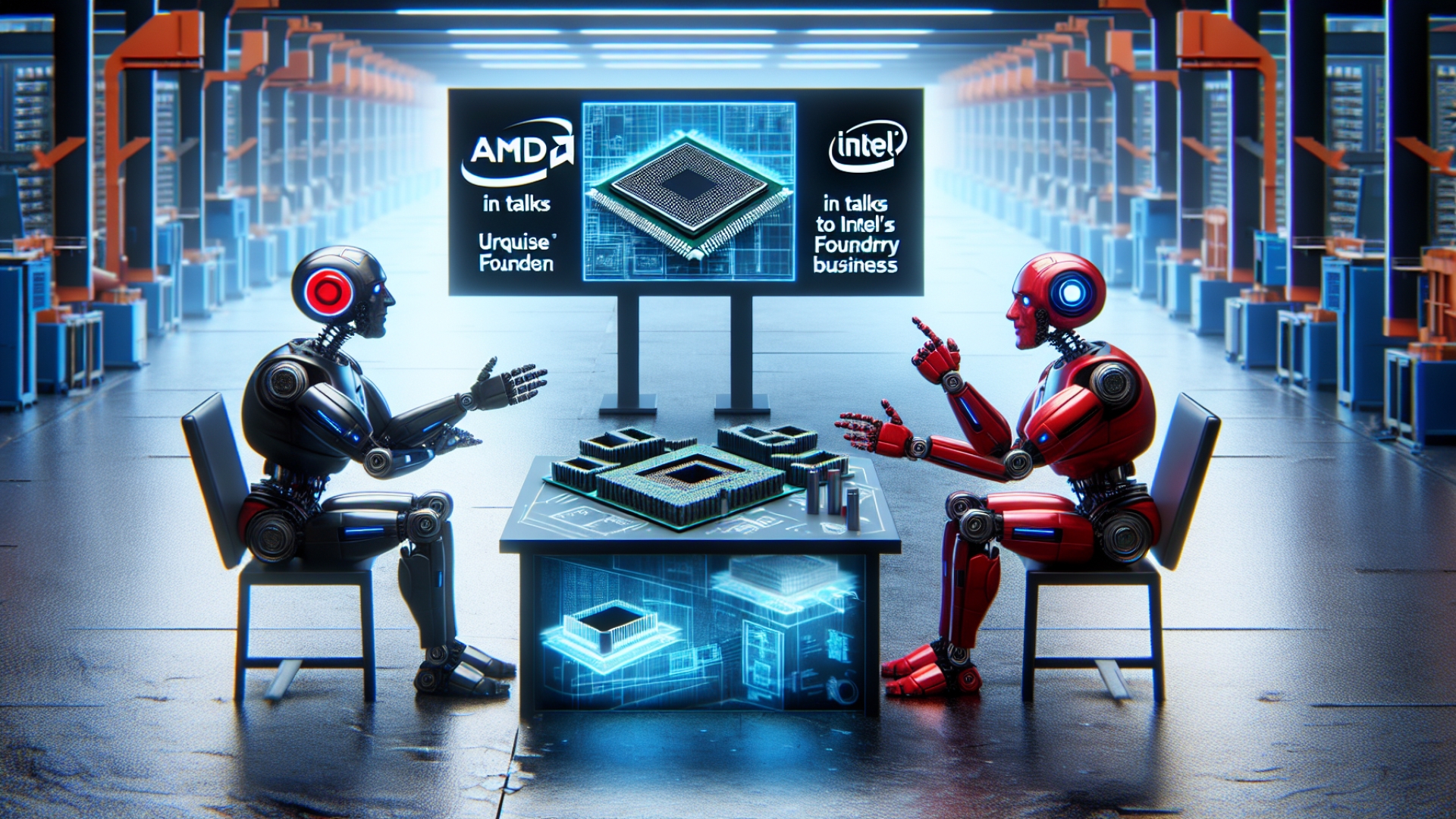
In a potentially seismic shift within the semiconductor industry, rival chipmaker AMD is reportedly engaged in early-stage discussions with Intel regarding commissioning Intel’s emerging foundry business. As reported by Semafar, these preliminary talks could mark a significant milestone for Intel’s ambitious drive to become a central force in American chip manufacturing. This potential collaboration underscores a pivotal moment, especially as Intel secures robust strategic and financial backing from influential players.
This bold venture into the foundry market is not without considerable support. Intel has attracted powerful investors, including GPU powerhouse Nvidia and multinational conglomerate Softbank Group, alongside crucial strategic backing from the US government. Such widespread interest, especially from a competitor like AMD, signals a growing confidence in Intel’s manufacturing capabilities and its potential to become a cornerstone of future American semiconductor production. It’s highly probable that Intel is also engaging in similar discussions with numerous other major manufacturers to rapidly expand its customer base, aiming to reshape the global chip supply chain.

Global Semiconductor Landscape and Intel’s Critical 18A Node
The current global semiconductor landscape is largely defined by the formidable presence of TSMC, the world’s largest manufacturer, responsible for producing chips for industry giants like Nvidia, Apple, Qualcomm, and even AMD itself. With other major players such as Samsung also operating advanced fabs, Intel faces an uphill battle. However, the company has placed a substantial bet on its next-generation process node, the highly anticipated 18A, as its path to reclaiming a leadership position in the fabrication race.
Indeed, the triumph of the 18A node is nothing short of paramount for Intel’s long-term trajectory. Former CEO Pat Gelsinger famously encapsulated its importance by stating he “bet the whole company on 18A.” Despite early concerns regarding low wafer yields reported last August, Intel maintains a steadfast confidence, asserting its future processors will achieve “leadership across the board” by leveraging the innovative strides enabled by the 18A process.
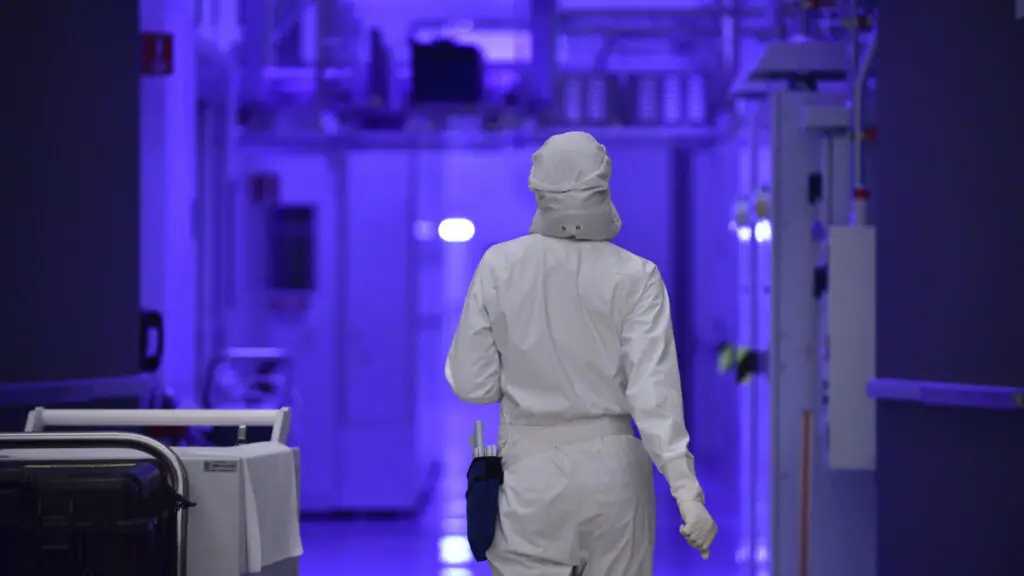
Beyond corporate rivalries, the success of the 18A node carries significant implications for national strategy. The US Government holds a direct financial stake in Intel and has actively implemented tariffs and policies designed to bolster domestic semiconductor manufacturing. This robust investment underscores a firm commitment to fostering a competitive American chip-making industry, elevating Intel’s success to a matter of national strategic importance in the ongoing global tech race.
It’s crucial to note that while TSMC has established new fabrication plants in the United States, its most advanced and cutting-edge nodes remain concentrated in Taiwan, a trend expected to continue. This distinction means that while the US gains economic benefits from TSMC’s American operations, it lacks direct control over the company’s core technological leadership. Consequently, increased competition against TSMC is broadly welcomed, mitigating the risks of a global semiconductor monopoly. The unfolding discussions with AMD, coupled with the critical progress of the 18A node, position the coming year as a truly transformative period for Intel’s foundry ambitions and the broader technological landscape. For developers and tech enthusiasts keen on staying ahead of these trends, Digital Tech Explorer will continue to provide in-depth analysis and timely updates on these pivotal industry developments.