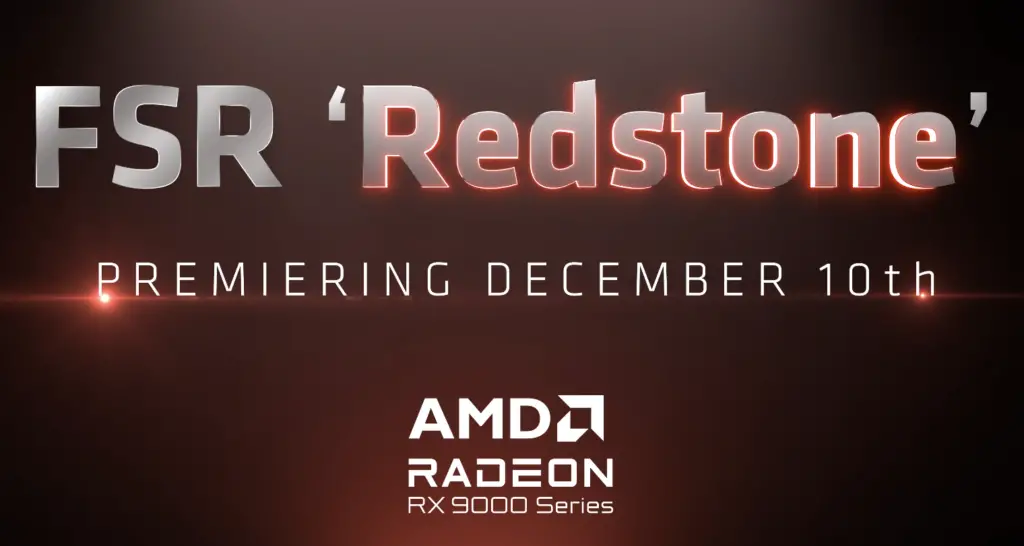
AMD has recently unveiled its latest advancement in gaming graphics: the
AI-enhanced FSR (Redstone/FSR 4) technology. This innovative upscaling solution promises significant performance boosts and visual fidelity, a major step forward for modern
gaming. However, a notable point of contention has emerged among the tech community: its current unavailability for
older RDNA 3 GPUs. Despite various community efforts to implement and run these new features on previous generation hardware, official support from AMD remains elusive.
AMD’s Stance: Why RDNA 3 Support is Limited
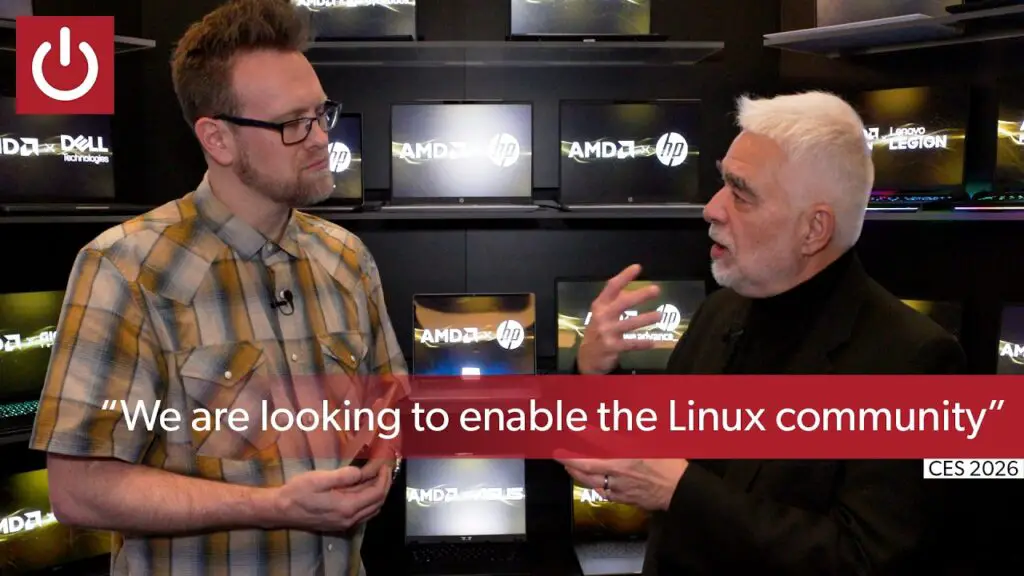
Regarding the absence of official support for
FSR Redstone on RDNA 3 GPUs, Andrej Zdravkovic, Senior Vice President at AMD and a key figure behind FSR technologies, clarified AMD’s stance. Zdravkovic explained that the primary reason stems from the challenge of delivering a
consistent and high-quality user experience across different hardware generations. For
Digital Tech Explorer’s audience of
tech enthusiasts and
developers, this commitment to reliable performance and visual integrity on older architectures presents significant hurdles that AMD is hesitant to compromise on.
A Glimmer of Hope? The Beta Program Idea for Older GPUs
When presented with the idea of a “beta version” of
Redstone for RDNA 3 specifically for enthusiasts, Zdravkovic’s response offered a glimmer of hope, characteristic of the evolving landscape of
digital innovation. He noted, “That’s currently not in the plan, but thanks for the hint. We may want to think about something like that and provide that to people who want to play with that. The challenge is always how to clearly define that.” While this indicates no immediate plans, it does not constitute an outright rejection. This leaves the door open for future consideration of a program that could allow
older GPU owners to experiment with this exciting new
technology, a prospect that resonates deeply within the
hardware community.
Unpacking the Technical Hurdles and the Quest for User Autonomy
The core of the issue lies in the fundamental
technical differences between
RDNA 3 and newer RDNA 4 GPUs. Modern
RDNA 4 graphics cards, such as the
RX 9070 XT, boast enhanced
machine learning acceleration capabilities that are not fully present in
RDNA 3 GPUs, like the
Radeon RX 7800 XT. While the
FSR code can often be made to run on older hardware, it cannot achieve the same level of performance and optimization due to these architectural disparities. This detailed insight is crucial for
Digital Tech Explorer readers looking to make
informed decisions about their next hardware upgrade.
This situation sparks a vital debate within the
PC gaming and
hardware communities: Should end-users be empowered to decide if “not as well” is an acceptable trade-off for accessing new features, even with reduced performance? AMD’s current stance reflects legitimate concerns about support overhead, potential for
negative product perception, and the difficulty in managing expectations for a feature that might not perform optimally across all supported hardware. This discussion highlights the tension between a company’s commitment to quality and the user’s desire for full control over their hardware experience.
For now, AMD maintains a non-committal position regarding official support or a beta program for
AI-enhanced FSR on
older RDNA 3 GPUs. The
Digital Tech Explorer community continues to explore ingenious workarounds, and while these efforts are valuable, a dedicated push from AMD could potentially unlock better performance and a more stable experience. As
TechTalesLeo, we see this as an ongoing narrative in the world of
tech news. Users remain hopeful for future developments, whether through official channels or advanced community-driven solutions, that would bring the benefits of
AMD’s cutting-edge upscaling technology to a wider range of
hardware. We at
Digital Tech Explorer will continue to provide
in-depth tech news and analysis on this evolving story.