

The AI Hardware Revolution: Specialized Chips Challenge Nvidia’s GPU Hegemony
A profound shift is underway in the landscape of artificial intelligence processing. For years, general-purpose GPUs have reigned supreme, but a new breed of AI-specific chips is now emerging, poised to challenge this dominance. This exciting evolution points towards Application-Specific Integrated Circuits (ASICs), often notably embodied by Tensor Processing Units (TPUs), which promise not only superior efficiency but also potentially transformative cost reductions for demanding AI workloads. Think of it as a parallel to the Bitcoin mining revolution: what once relied on versatile graphics cards soon transitioned to dedicated ASICs, leading to unparalleled operational efficiency. These specialized AI chips are engineered at a fundamental hardware level to excel at a narrow, yet critical, range of AI tasks, setting them apart from Nvidia’s more versatile, general-purpose AI GPUs.
Zhonghao Xinying’s Ghana Chip: A Game-Changer in Efficiency and Cost
At the forefront of this exciting hardware revolution is Zhonghao Xinying, an innovative Chinese startup founded by a former Google engineer. They’ve unveiled what they claim to be a groundbreaking AI chip, the Ghana chip. This specialized ASIC reportedly delivers astonishing performance: it’s 1.5 times faster than Nvidia’s A100 AI GPU from 2020, all while slashing power consumption by a remarkable 75%. What makes this even more compelling for developers and businesses is that this impressive efficiency is achieved using older, domestically sourced Chinese chip manufacturing processes. Zhonghao Xinying highlights that these production methods are “an order of magnitude lower” in cost compared to the advanced processes required for leading overseas GPU chips.
While the Nvidia A100, a 2020 model, is not the latest offering from Nvidia – indeed, it’s considerably slower than the cutting-edge Nvidia Blackwell GPUs – the Ghana chip’s profound cost-effectiveness and substantial power savings present a highly compelling proposition. For the AI industry, which constantly seeks optimized solutions and better return on investment, this development signals a powerful shift towards more accessible and sustainable AI infrastructure.
Google’s Strategic Pivot: Selling TPUs to Disrupt Nvidia’s Dominance
Adding another intriguing layer to this evolving narrative, Google—a pioneer in dedicated TPU development since 2017—is reportedly preparing to make its specialized Google TPUs directly available for purchase. This marks a significant departure from its long-standing rental-only model via Google Cloud. This bold strategic move is a direct response to the escalating, insatiable demand for high-performance AI hardware and Google’s clear ambition to carve out a larger share of the market. Industry reports suggest active discussions with several major potential clients, including a rumored multi-billion-dollar agreement with Meta.
With this shift, Google aims to “capture” a significant 10% of Nvidia’s formidable AI revenue. By leveraging its more narrowly defined and inherently power-efficient TPUs, Google is strategically positioned to present a formidable challenge to Nvidia’s near-monopoly in the AI GPU market, offering compelling alternatives for companies looking to optimize their deep learning workloads.
Despite the powerful and clear advantages offered by these emerging AI ASICs, significant barriers to widespread adoption persist. A vast majority of the AI industry has made substantial investments in Nvidia’s established hardware and its pervasive software ecosystem, particularly CUDA. Shifting to an entirely new, ASIC-based platform would undoubtedly entail considerable short-term challenges, from re-architecting codebases to retraining teams, and significant transitional costs. Yet, the economic imperative is growing: with Nvidia B200 GPUs reportedly commanding prices between $45,000 and $50,000 per unit, the long-term operational and financial gains are increasingly incentivizing companies to navigate these hurdles. For developers and tech leaders, understanding this trade-off between immediate investment and future efficiency is paramount.
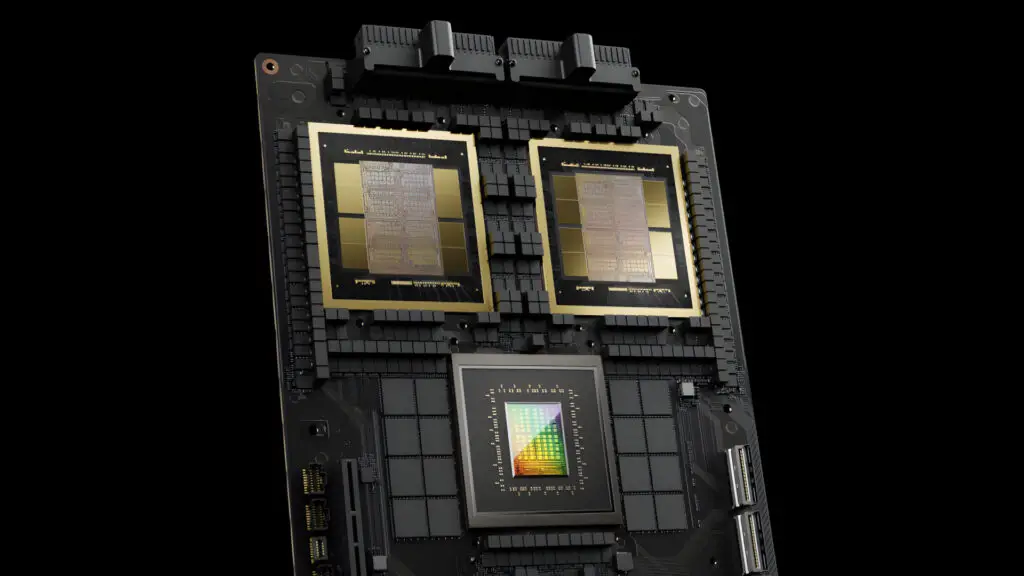
If these more efficient AI ASICs successfully gain significant traction within the broader AI market, the ripple effects could be substantial and positive for the entire technology ecosystem. A shift away from general-purpose GPUs for specialized AI tasks could lead to a decreased, or at least re-prioritized, demand for the most advanced manufacturing processes that are currently heavily monopolized by the production of large-scale AI GPUs. This rebalancing act could, in turn, alleviate some of the pressure on silicon foundries, potentially easing supply constraints across various sectors.
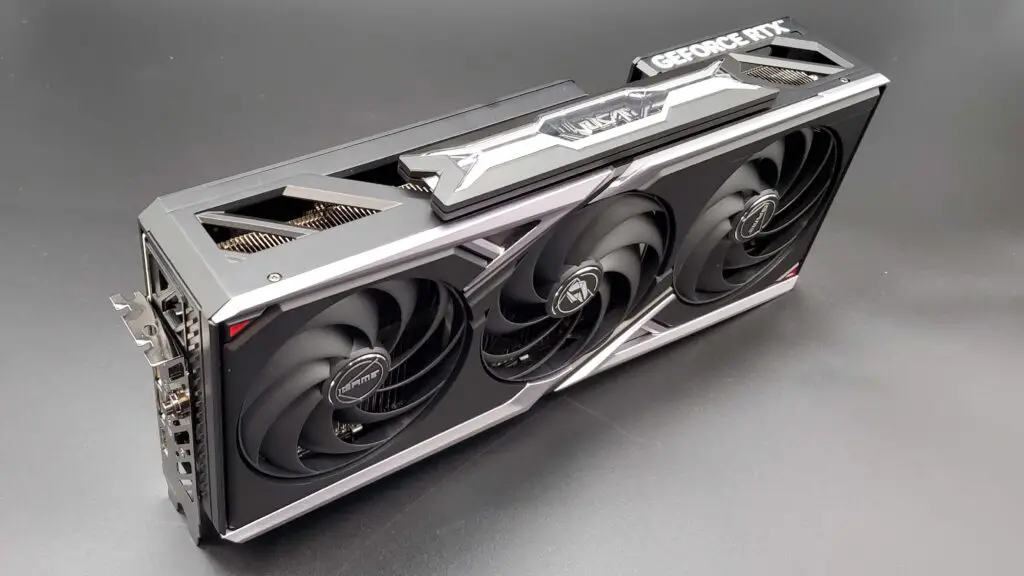
Crucially, this paradigm shift holds promising implications even for consumers and enthusiasts. The current inflated prices of high-end gaming GPUs are, in part, a direct consequence of the immense, voracious demand for AI GPUs that often compete for similar cutting-edge silicon manufacturing capacity. A successful transition towards dedicated AI ASICs would effectively rebalance this supply-and-demand equation. The exciting prospect? More accessible and potentially more affordable graphics cards for PC gamers and general consumers, making advanced hardware more attainable for everyone. This is a trend every tech enthusiast on Digital Tech Explorer should be watching closely.
As always, all content on Digital Tech Explorer is for informational and entertainment purposes only. We do not provide financial or legal advice. Some of the links in this article are affiliate links. This means we may earn a commission if you click through and make a purchase, at no additional cost to you. Our recommendations are based on thorough research and personal experience, aligning with our mission to provide transparent and insightful content.