
Aion 2’s Disastrous Debut: NCSoft Faces Immediate Backlash Over Pay-to-Win and Restricted Gameplay
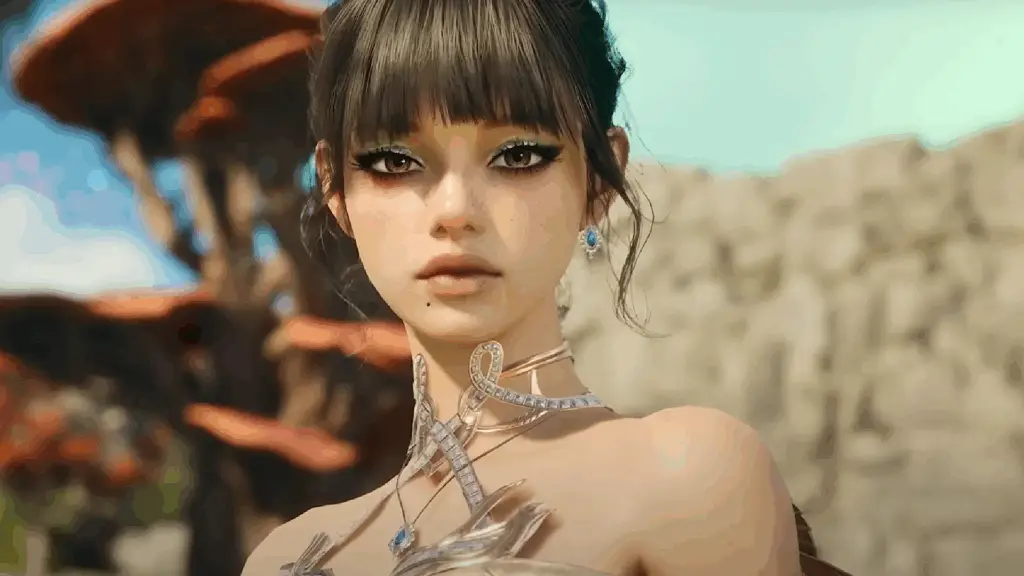
The highly anticipated MMORPG, Aion 2, launched by NCSoft on November 18 in Korea and Taiwan, has been met with immediate and severe backlash. Despite prior assurances that the game would not feature pay-to-win mechanics, players quickly discovered power-granting items available for purchase using Quna, the game’s in-game currency. This controversial monetization strategy, combined with essential functionalities like trading and auction house access locked behind monthly subscriptions, has sparked a firestorm of criticism within the gaming community, prompting a rapid and unprecedented response from the developers.
Unprecedented Emergency Response from Developers
The overwhelming negative reception forced an immediate and dramatic response from NCSoft. Just 15 hours after the official launch, the team behind Aion 2 held an emergency broadcast to address the community’s profound concerns. Development producer Kim Nam-joon publicly confessed, “We were complacent and unthoughtful, and we will be pulling the items from the store after today’s temporary update.” Adding to the gravity, So In-seop, head of Aion 2’s business division, offered a direct apology to players, stating unequivocally, “I have no excuse to offer you, but I am truly sorry.” Screenshots from the livestream, depicting a somber and regretful atmosphere among the development team, quickly circulated online, underscoring the severity of this monetization misstep.
Market Repercussions and Overwhelming Player Disappointment
The monetization scandal had swift and detrimental effects on NCSoft’s market standing. The company’s stock experienced a dramatic decline of over 15% in a single day following the game’s troubled release. While the broader tech market had faced a challenging week, the significant missteps with Aion 2 undeniably amplified investor apprehension and contributed to a further decrease in stock value.
Player sentiment has been overwhelmingly negative, with many expressing profound disappointment in the game’s quality and its predatory monetization. On the r/MMORPG subreddit, one player candidly remarked, “On my family’s lives, Aion 2 might actually be the worst MMO I’ve ever played.” Another critical comment described the user interface as “something straight out of a cheap mobile game,” highlighting a widespread perception of low quality that starkly contradicts expectations for a major PC gaming release. The general consensus among players echoes a unified sentiment: the game simply “sucks,” indicating a significant breach of trust between the developer and its player base.
As Digital Tech Explorer continues to track evolving tech trends and industry insights, this incident serves as a critical case study for the entire gaming industry. The swift and severe backlash against Aion 2‘s pay-to-win elements and restrictive free-to-play model demonstrates a clear message: while developers may push the boundaries of player spending, such aggressive monetization can indeed backfire spectacularly, forcing rapid course corrections and inflicting significant damage to both reputation and financial standing. It’s a powerful reminder that player trust, cultivated through transparency and fair practices, remains paramount in the world of digital entertainment.