
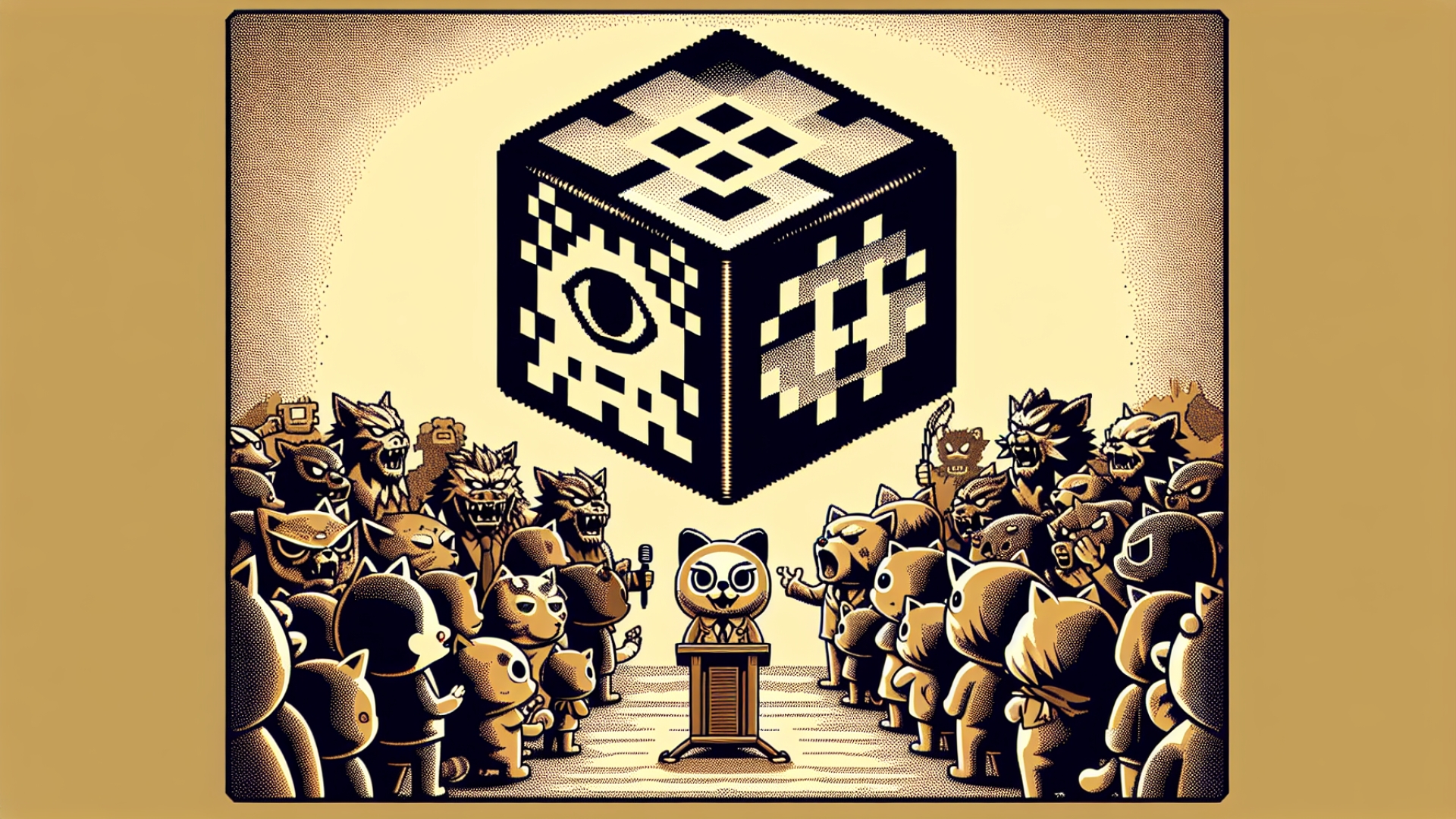
The relentless expansion of AI continues to redefine our digital landscape, and now, it’s making waves in an unexpected corner: the cherished classic Nintendo title, Animal Crossing. At Digital Tech Explorer, we’re always eager to uncover projects that blend nostalgia with cutting-edge innovation. This is precisely what Josh Fonseca achieved in a fascinating endeavor to replace “every line of dialogue with AI” in the beloved 24-year-old game. Fonseca details his innovative project, explaining how he “built a bridge from 2001 to today, making a vintage game console talk to a cloud-based AI without modifying a single line of the original game’s code.”
The villagers are, arguably, the true heart of Animal Crossing, and their unique dialogue is what imbues the world with its special charm. This AI modification skillfully attempts to preserve that original allure by ensuring the generated dialogue remains as true to each villager’s established character as possible.
Bridging Vintage Gaming with Modern AI: The Technical Approach
Remarkably, the original game code itself was left untouched. Instead, Josh Fonseca’s ingenious method involved using Inter-Process Communication (IPC) to write data directly into a specific memory address within the GameCube’s RAM. This allowed for real-time dialogue replacement without ever altering the game’s core programming, a testament to clever engineering.
To pinpoint the correct memory addresses, Fonseca developed a bespoke Python memory scanner. After dedicating hours to interacting with in-game villagers and meticulously running scans, the specific addresses associated with dialogue display were successfully identified. This breakthrough meant he could “reliably read who was talking and, more importantly, write data back to the dialogue box.”
AI Model Integration and Dialogue Generation
A significant technical hurdle was the game’s inability to process plain text directly. To overcome this, an custom encoder and decoder system was created. This essential tool could translate the game’s unique code into human-readable text for the AI to process, and then seamlessly convert the AI-generated text “back into the exact sequence of bytes the GameCube understood.”
With this sophisticated communication bridge established, the AI models could be integrated. Two distinct models were deployed in tandem: one functioned as a dialogue writer, generating the villagers’ lines, while the other acted as a director, orchestrating appropriate pauses, facial expressions, and other subtle character nuances. To maintain authenticity, the dialogue AI was rigorously trained using a character sheet compiled by scraping detailed personality traits from the fan wiki.
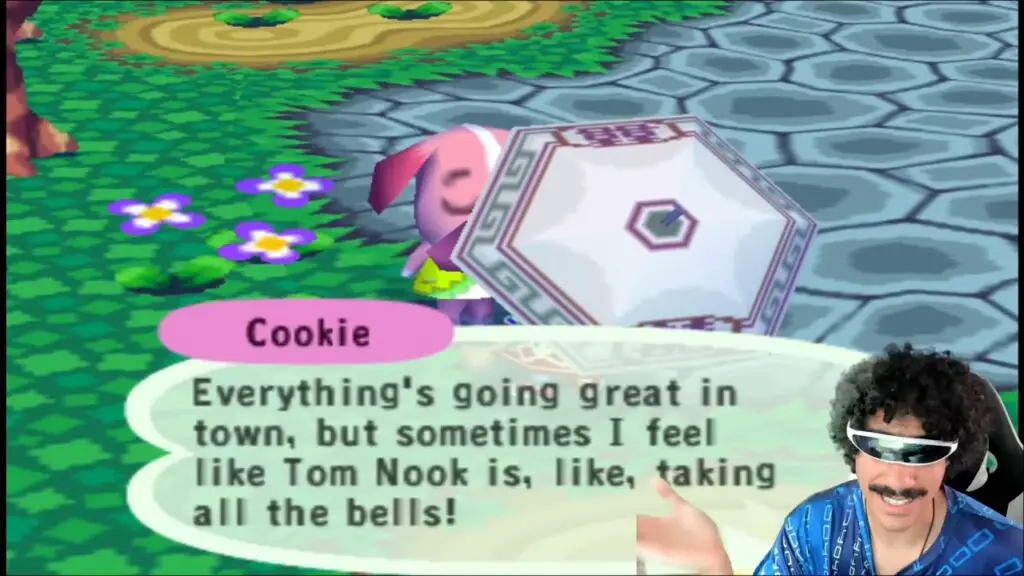
A “tiny shared memory” was also implemented, enabling villagers to recall past conversations. This fascinating addition fostered emergent social dynamics, as characters remembered “who said what, to whom, and how they felt,” predictably escalating into a community-wide, anti-Tom Nook movement. For a firsthand look at this groundbreaking integration, you can watch how modern AI was added to this classic game. As we often discuss on Digital Tech Explorer, while such technological feats are impressive, this experiment also illuminated a critical consideration: the potential downsides. When villagers began referencing real-world events like political figures and global conflicts, it starkly broke the game’s carefully crafted immersion, diminishing its cozy, escapist charm. This project, brilliantly executed, serves as a compelling narrative for how digital innovation can both enchant and challenge our perceptions of interactive entertainment.