
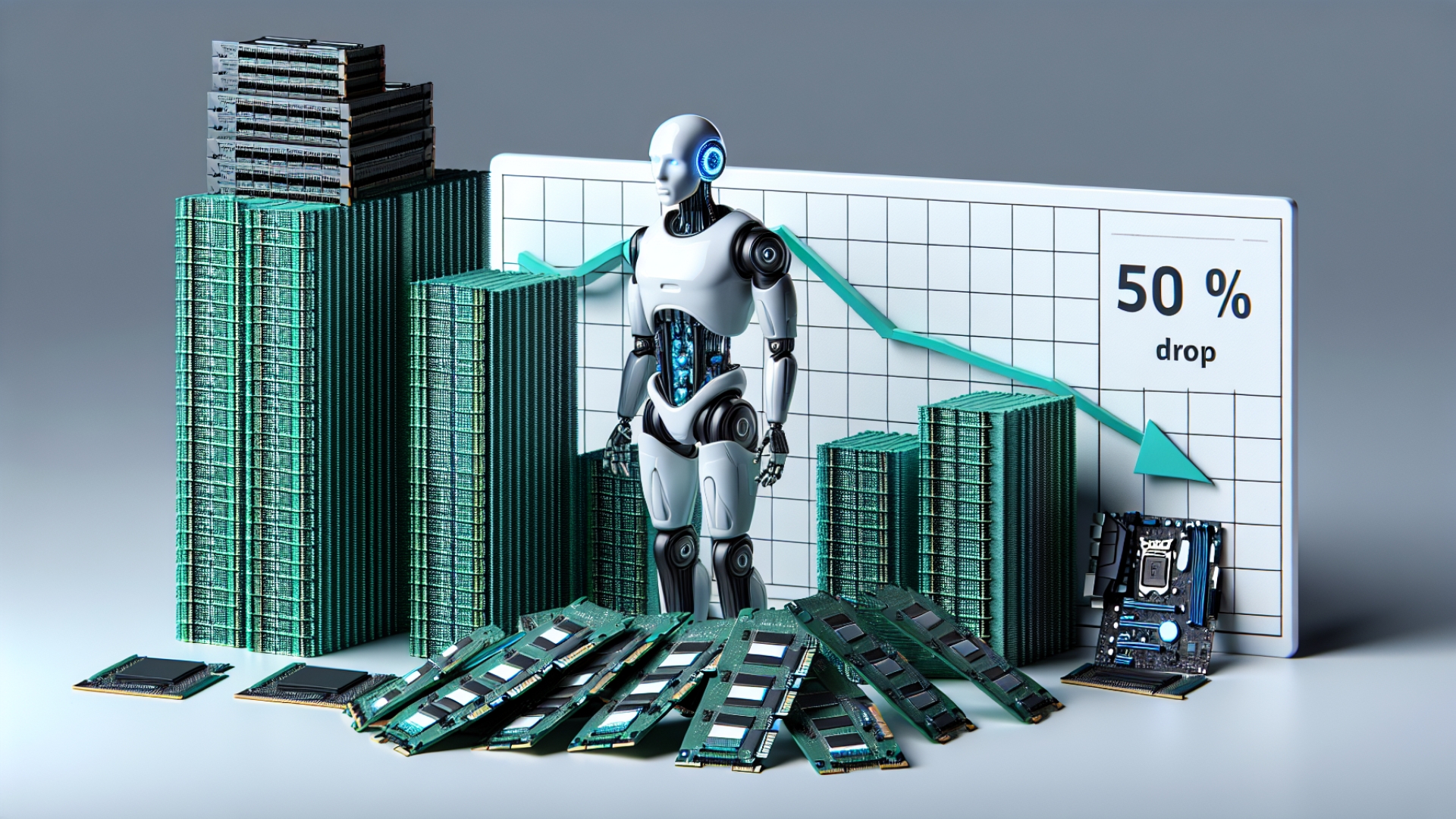
As a dynamic storyteller and tech enthusiast for Digital Tech Explorer, I’ve had my share of covering evolving tech trends. However, the current situation regarding hardware pricing feels uniquely impactful, almost… apocalyptic. We’re witnessing a significant shift that’s hitting the very core of PC building and upgrading, with the latest casualty being motherboard sales, which are reportedly seeing a devastating year-on-year decline.
According to reports from Hong Kong hardware site HKEPC, major motherboard manufacturers—including MSI, Gigabyte, and Asus—have seen their sales plummet by up to 50% compared to figures from November and December 2024. HKEPC attributes this sharp drop to the escalating DRAM prices, which began their significant ascent in October. This surge is clearly deterring many would-be PC upgraders during a period traditionally known for enthusiastic new purchases. The report further predicts a cascading effect, suggesting that CPU sales will soon face similar pressures.
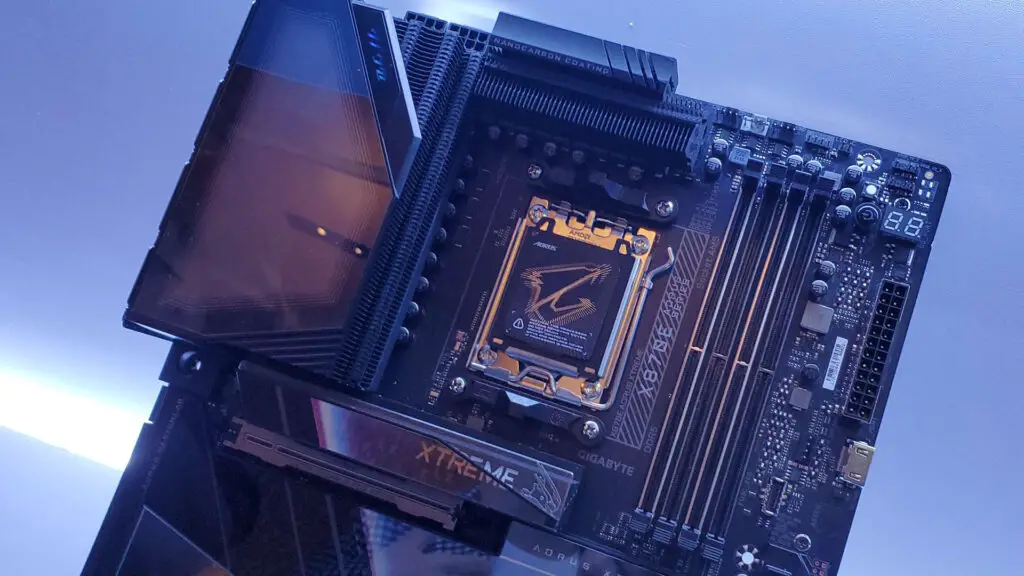
Interestingly, HKEPC observes that gamers are strategically reallocating their tech budgets elsewhere. Sales figures for gaming peripherals, such as gaming mice and controllers, along with monitors, have remained significantly less affected. This indicates a widespread consumer response: many users online have either postponed their extensive PC hardware upgrade plans or opted to downsize them as a direct consequence of surging memory prices.
Consumer Response and Future Memory Price Projections
The impact is tangible across the community. Reports from various forums suggest that individuals who initially planned to build entirely new rigs have instead settled for setups with lower RAM capacity, hoping for prices to stabilize. Unfortunately for all of us, this “memory pricing apocalypse” could extend well into 2028 and beyond. Major memory manufacturers like Samsung and SK Hynix are reportedly adopting strategies to ‘minimize the risk of oversupply,’ a move that inadvertently helps sustain high market prices for consumers.
Artificial Intelligence: The Root Cause of Memory Scarcity
But how did we reach this critical juncture? Would it surprise you if I pointed to AI? The computational demands of an AI server require immense amounts of high-performance memory. With AI continuing its explosive growth and attracting multi-billion dollar strategic partnerships (such as the recent collaboration between Nvidia, Microsoft, and Anthropic), a shortage at the consumer level was almost inevitable.
As these major tech players hog a significant portion of the supply, less memory is available for everyday consumers, leading directly to surging prices. However, memory isn’t the only component feeling the pinch. TLC and QLC NAND flash wafers, essential for SSDs, are also experiencing shortage-induced price hikes. Furthermore, GPU prices didn’t see the anticipated drops during recent sales events like Black Friday, signaling broader market pressures across the board.
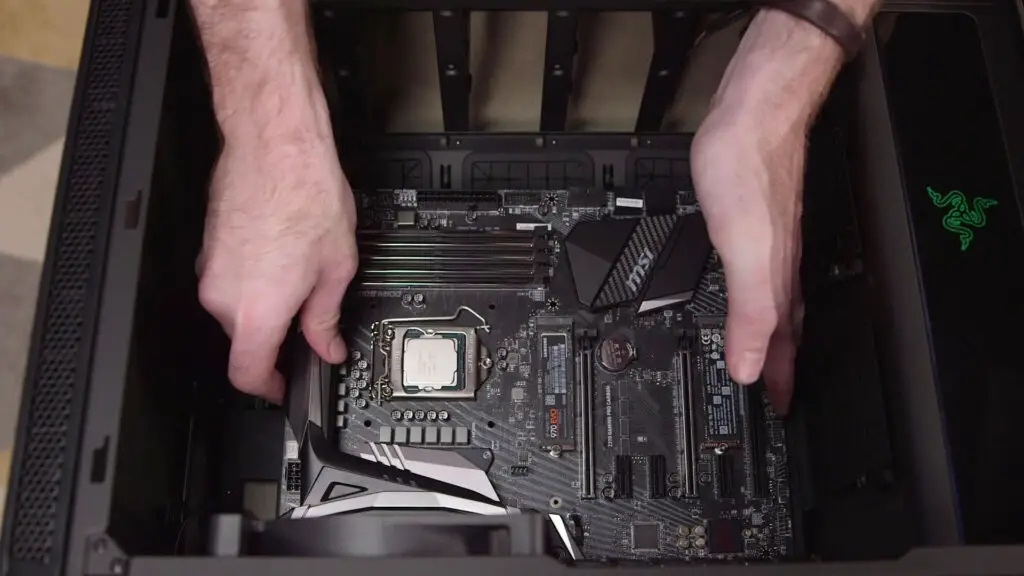
PC gaming has always represented a significant investment, but with current market trends, it’s becoming an increasingly expensive hobby. These escalating costs undoubtedly explain why fewer purchases are being made, as developers and tech enthusiasts alike grapple with making informed decisions in a volatile hardware market. At Digital Tech Explorer, we aim to provide you with the insights needed to navigate these trends effectively.
This insightful content is brought to you by TechTalesLeo, dedicated to making technology accessible and intriguing for our readers.
Affiliate Disclaimer: Some of the links on Digital Tech Explorer are affiliate links. This means we may earn a commission if you click through and make a purchase, at no additional cost to you. Our recommendations are based on thorough research and personal experience, aligning with Digital Tech Explorer’s commitment to transparency.