
At Digital Tech Explorer, we constantly track the pulse of the tech industry, and a recent statement from Intel CEO Pat Gelsinger has ignited a critical conversation. Gelsinger recently confirmed that the tech industry is indeed caught in an AI bubble, candidly responding, “Of course. Of course we are. We’re hyped, we’re accelerating, we’re putting enormous leverage into the system.”

Gelsinger, however, maintains an optimistic outlook, forecasting that this transformative momentum will persist for several years. “That said, I don’t see it ending for several years. I do think we have an industry shift to AI… businesses are yet to really start materially benefitting from it,” he noted, emphasizing the vast untapped potential. He added, “We’re displacing all of the internet and the service provider industries as we think about it today. We have a long way to go.”
Industry Warnings and Comparisons to Past Bubbles
The escalating discourse around a potential AI bubble draws stark parallels to historical economic upheavals, such as the infamous dot-com crash of 2000 and the global financial crisis in 2008. These comparisons underscore growing apprehensions across financial and tech sectors, a topic of significant interest for our tech-savvy audience.
Prominent figures like OpenAI CEO Sam Altman have candidly warned about overinflated AI company valuations, predicting significant losses for investors. Echoing this caution, JP Morgan head Jamie Dimon asserted, “the level of uncertainty in most peoples’ minds should be higher” regarding the stock market’s current trajectory. Market analyst Julien Garran offered an even more sobering perspective, claiming the present AI market frenzy is a staggering “17 times the size” of the dot-com bubble. Adding to this wave of skepticism, institutions like the International Monetary Fund and the Bank of England have signaled concerns about a potential “sudden correction” in markets.
These widespread warnings are rooted in the painful lessons of past market collapses, where the fallout from bursting bubbles, like the dot-com disaster and the 2008 financial crisis, reverberated globally, inflicting widespread economic damage.
Despite these widespread alerts, Gelsinger offers a counter-narrative, dismissing the notion of an imminent market correction for AI companies. He champions the innovative spirit driving the sector, citing companies like Snowcap, where he serves on the board. Snowcap, a pioneer in developing AI chips for “extreme performance and energy efficiency,” exemplifies the kind of disruptive technology Gelsinger believes will make AI a more profitable and sustainable endeavor in the coming years. This aligns with Digital Tech Explorer’s focus on foundational hardware innovation and emerging tech trends.
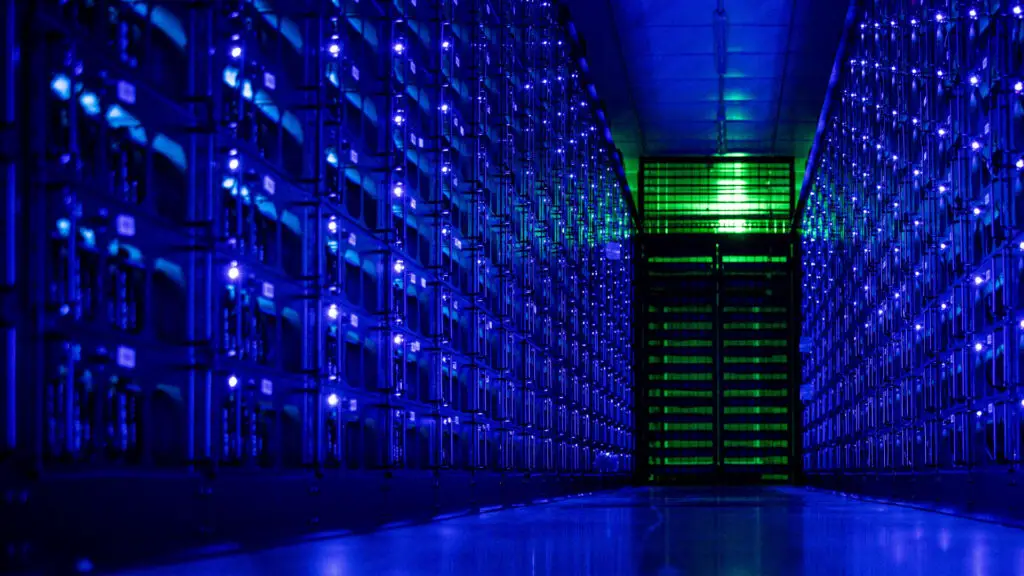
As Gelsinger elaborated, “To me there’s a set of technologies on the horizon, some of which we’re driving, like our Snowcap, where we’re promising to be 100X better in power performance.” He painted a vivid picture: “Meaning a gigawatt datacenter, I can do it in 10 megawatts and deliver the same AI performance. Not just Snowcap, but a whole range of disruptive technologies, and I think they start materialising in the latter part of the decade.” His conviction remains firm: “I do think, in that sense, nothing is changing this path for several years.”
As TechTalesLeo explores on Digital Tech Explorer, the ongoing discourse surrounding the AI market continues to oscillate between fervent optimism and cautious skepticism. While the exact timing of any market adjustment remains uncertain, the consensus among many experts points to “when, not if.” For developers and tech enthusiasts alike, understanding the implications of this potential shift is paramount. History suggests that when such investment frenzies subside, the global economy often navigates challenging waters. Our mission at Digital Tech Explorer is to help you stay ahead of these trends, make informed decisions, and navigate the evolving landscape of digital innovation with confidence.