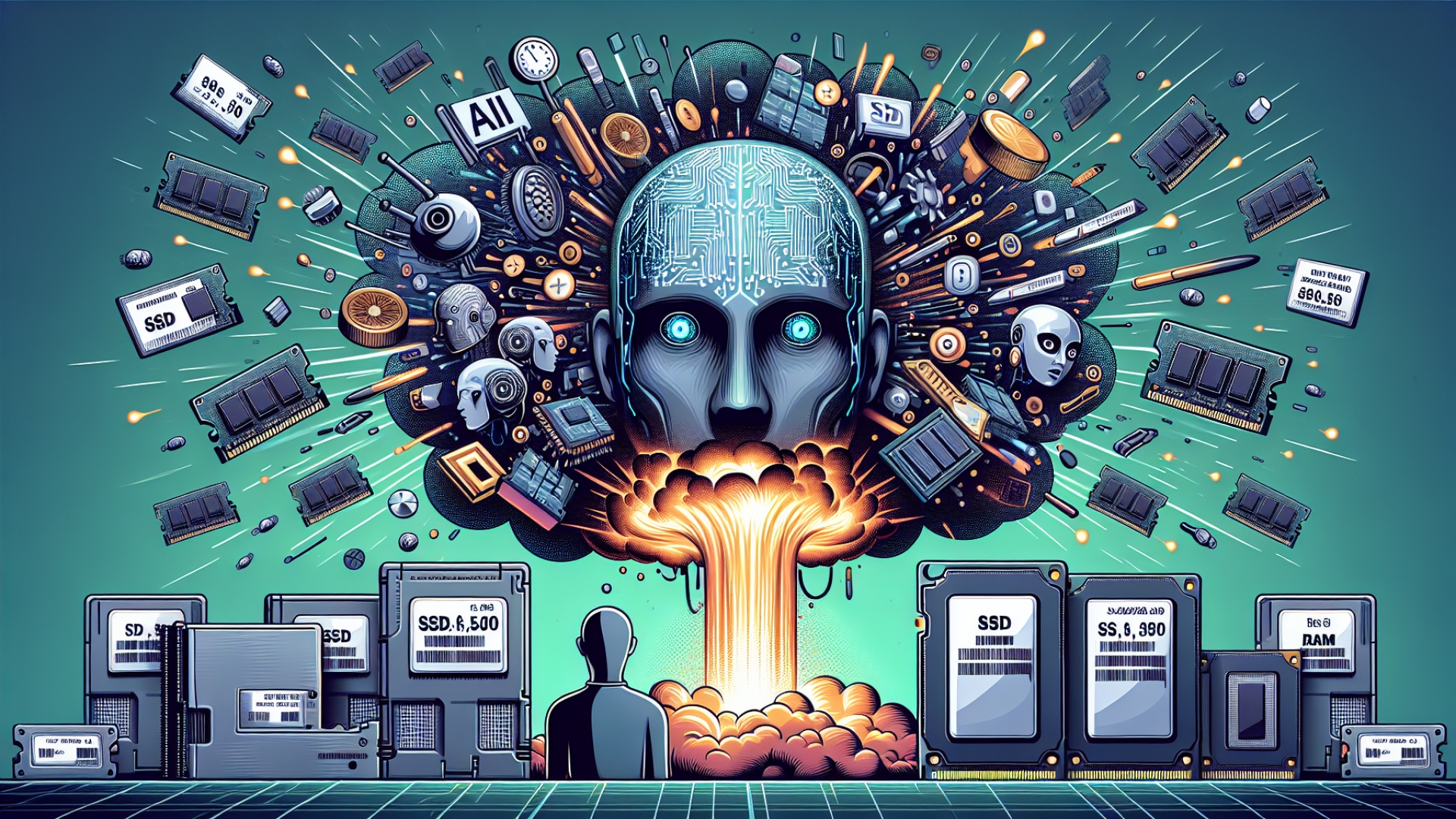
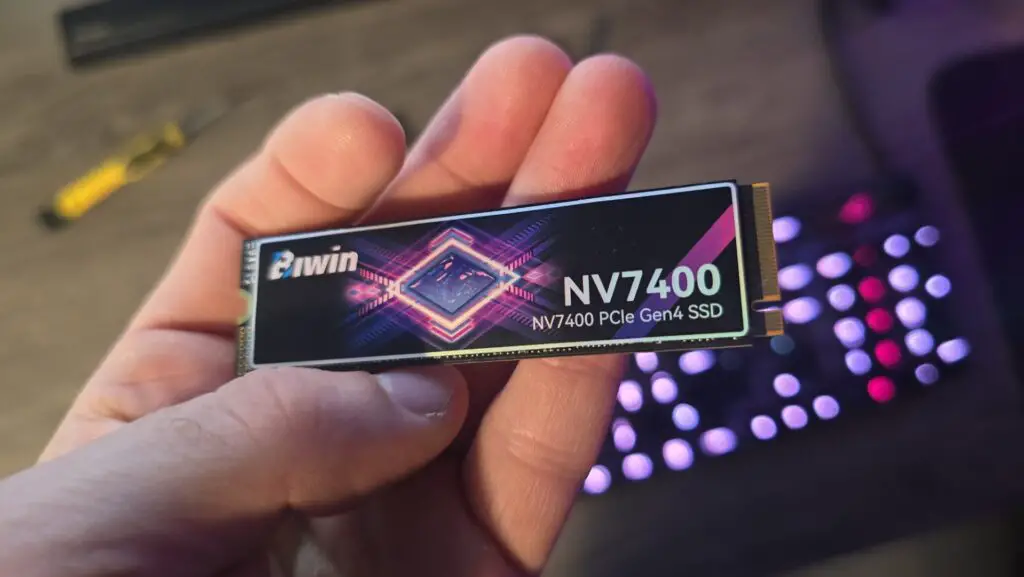
The PC building community has grown accustomed to the painfully high graphics card pricing that has become a staple of the market, a trend largely fueled by the burgeoning AI boom. As tech enthusiasts and developers on Digital Tech Explorer, we’re always looking ahead, and the critical question now is whether SSD and system memory prices are poised to follow the same upward trajectory. According to recent analysis, the answer appears to be a resounding yes, with experts warning of looming NAND and DRAM shortages that could significantly inflate costs for consumers.
Industry Predictions: A Decade of Tight Supply and Surging Costs
Nearly every major analyst firm and memory maker is sounding the alarm about impending scarcity that is expected to send SSD and memory prices skyrocketing over the next few months and years. Some forecasts are particularly dire, predicting a supply crunch that could last for a decade. The primary catalyst behind this “supercycle” of demand is the explosive growth in sophisticated AI hardware, which requires immense amounts of high-performance memory.
The sheer scale of this demand is staggering. OpenAI alone has reportedly secured a deal with Samsung and SK Hynix for up to 900,000 DRAM wafers per month, a figure that could represent 40% of the current global DRAM output. This immense consumption is already profoundly impacting supply chains. For instance, Samsung’s next-generation V9 3D NAND memory is nearly booked out before its full release, and Micron’s High Bandwidth Memory (HBM) production is almost entirely sold out through the end of 2026. Phison CEO Pua Khein-Seng believes this surge in memory demand will lead to tight supply for “the next 10 years,” signaling a prolonged period of elevated pricing for PC gamers, builders, and professionals alike.
Counterpoint: The AI Bubble and Market Volatility
However, these long-term predictions are not an absolute certainty. A significant counterargument exists among observers who are betting on an AI market correction. The investor community is showing increasing concern about a potential “trillion-dollar” AI bubble on the verge of bursting. This growing market volatility is compounded by the actions of influential figures like Warren Buffett, whose recent moves to cash out are causing jitters across various sectors. If this bubble were to pop, the projected insatiable demand for memory and storage could dramatically diminish, potentially stabilizing or even lowering component prices.
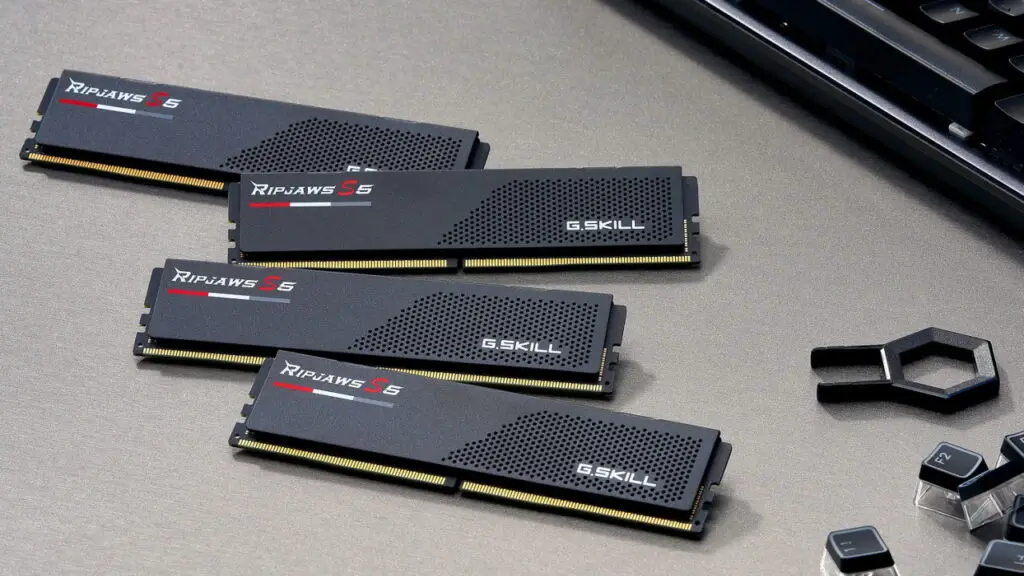
Ultimately, the future of the PC component market remains complex and uncertain. While the threat of an AI-driven price surge is a very real possibility, the potential for a significant market correction offers a glimmer of hope. For consumers and professionals, this creates a difficult decision, prompting the need for informed choices that Digital Tech Explorer strives to provide. If the predictions of long-term shortages hold true, now might be the opportune moment to invest in upgrades. Considering the current market dynamics, securing a good deal on essential PC kit, such as high-performance G.Skill DDR5 Ripjaws S5 memory – a component often highlighted in our reviews for its reliability – could be a strategic move before potential price escalations take hold. As TechTalesLeo, I aim to equip you with the insights to stay ahead; waiting could mean paying a significant premium for the same vital PC components in the near future.