
The relentless surge of the AI boom is not just redefining industries; it’s unexpectedly reshaping the very foundations of digital infrastructure. At Digital Tech Explorer, we’ve been closely monitoring an unprecedented demand for nearline HDDs, driven by the insatiable needs of AI workloads. This has sparked severe supply shortages, putting immense pressure on cloud providers who depend on this storage for infrequently accessed data, such as critical backups and vast AI training model archives. In response to this market squeeze, storage titan Western Digital has announced significant adjustments, including price increases across its entire HDD product line, an expansion of ocean freight logistics, and lead times for high-capacity HDDs now extending nearly a year – a clear indicator of the scale of current demand.
The Ascent of QLC SSDs in the Cloud
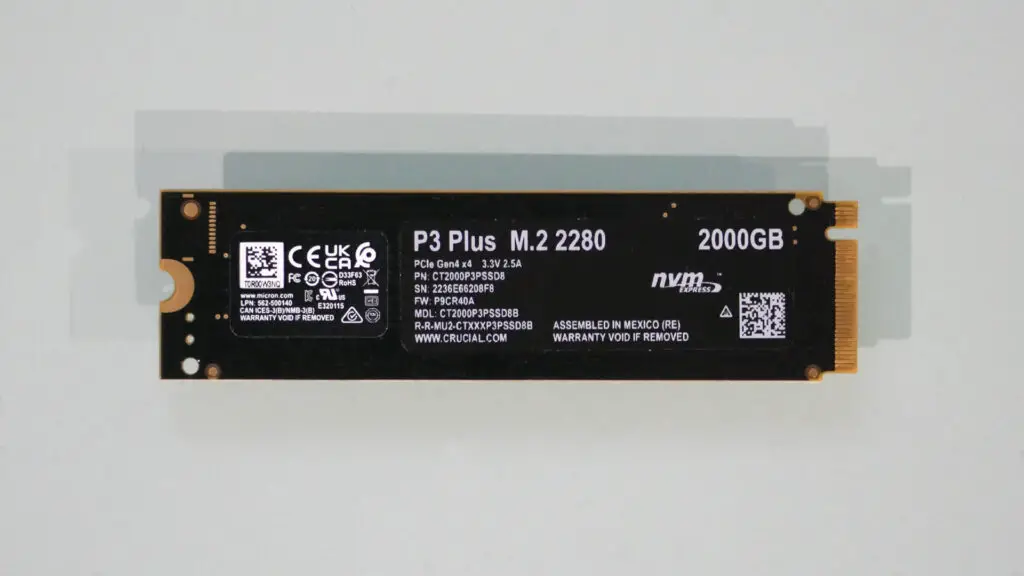
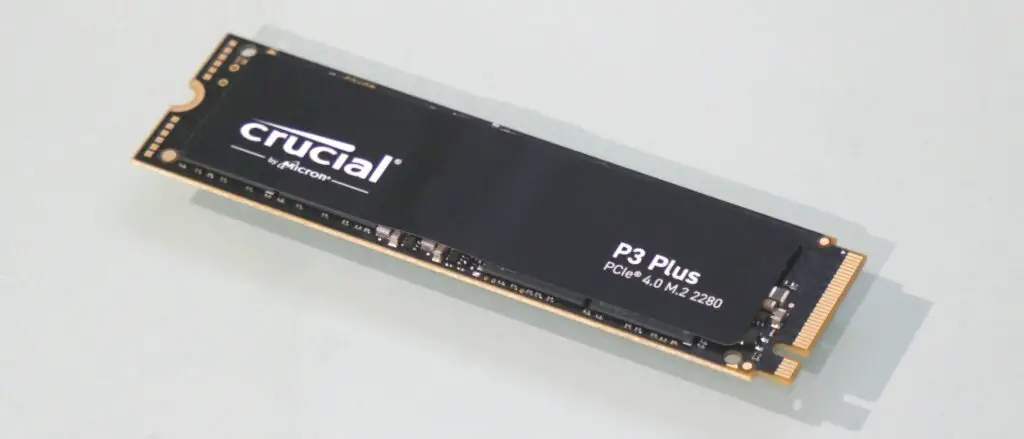
As traditional hard drives face scarcity and extended delays, cloud service providers are increasingly turning their attention to QLC SSDs as a compelling and cost-effective alternative. QLC, or quad-level cell, is a flash storage technology that packs four bits of information into each memory cell. This high density makes QLC drives more affordable than their TLC (triple-level cell) counterparts, which are often found powering the best gaming SSDs. While TLC drives boast superior speed and endurance, QLC SSDs strike a crucial balance of performance, lower power consumption, and affordability, making them perfectly suited for the “warm storage” demands of cloud providers. Furthermore, advancements in flash memory technology continue to enhance QLC drives, promising boosted speed and write performance that could soon broaden their applicability, even extending into demanding scenarios like gaming.
This pivotal market shift from HDDs to QLC SSDs is poised to create significant ripples across the entire storage industry. The surge in enterprise demand for QLC isn’t isolated; it’s expected to create a tangible knock-on effect throughout the broader consumer SSD market. For instance, some enterprise users who previously relied on QLC for “hot” or frequently accessed storage might now transition to higher-performance TLC drives, potentially tightening the supply for components used in high-end gaming rigs. While increased capital flowing into the SSD market could spur greater investment in flash storage production, eventually leading to more abundant supply and competitive pricing in the long run, consumers should prepare for the possibility of lower SSD stock and potentially higher prices in the interim, as the market recalibrates to these monumental shifts driven by the enterprise and cloud sectors. At Digital Tech Explorer, we’re committed to tracking these crucial shifts to help you, our developers and tech enthusiasts, stay ahead of trends and make informed decisions about your digital infrastructure and hardware investments.