
In a development that has captured the attention of both Hollywood and the gaming world, Paramount recently inked a deal with Activision to adapt the iconic Call of Duty franchise for the big screen. While promising an authentic cinematic experience for fans old and new, this significant announcement reportedly came only after Activision turned down a compelling pitch from none other than legendary director Steven Spielberg. A known PC gaming enthusiast, Spielberg, collaborating with Universal, had presented his distinct vision for a Call of Duty movie, an offer the publisher ultimately decided against, as Digital Tech Explorer uncovers.

Why Activision Rejected Spielberg’s Deal
The core issue behind Activision’s surprising decision reportedly centered on the stringent terms typically associated with the director’s involvement. Industry insiders refer to this as the “Spielberg Deal”—an arrangement that grants the acclaimed filmmaker unparalleled creative autonomy, including top-tier economic compensation, final cut privilege, and extensive command over both production and marketing. For Microsoft-owned Activision, relinquishing such a profound level of creative oversight for Call of Duty, one of its most valuable intellectual properties, was evidently a non-starter. The Paramount deal, in contrast, ensures that key decision-making power largely remains within Activision’s control, a strategic priority for managing a flagship franchise in the competitive gaming landscape.
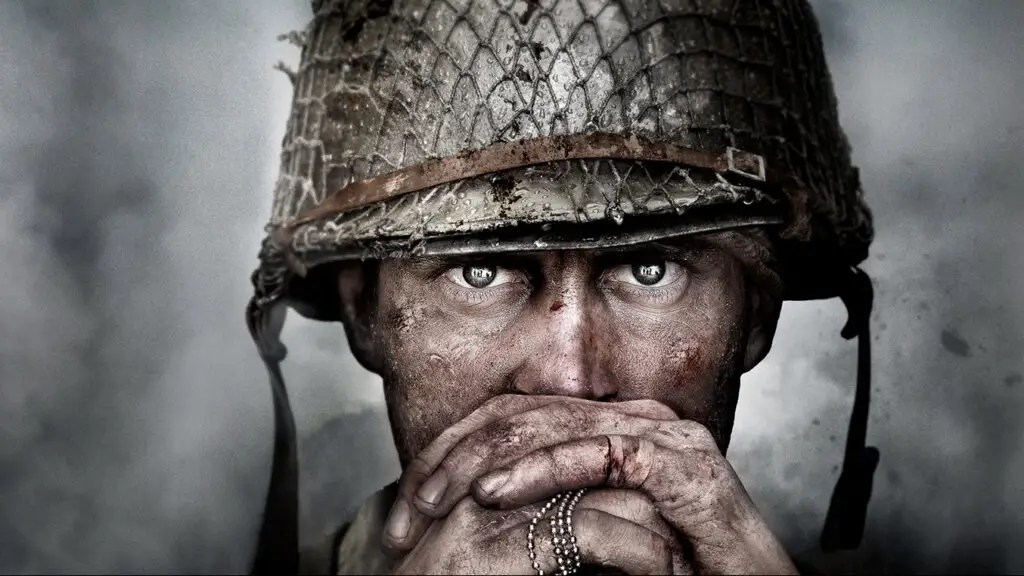
Spielberg’s Deep Roots in Military Shooters and Call of Duty’s Genesis
This rejection becomes even more striking when considering Spielberg‘s undeniable impact on the military shooter genre and, by extension, the very genesis of Call of Duty. As the visionary behind critically acclaimed war epics such as Saving Private Ryan and executive producer of the seminal series Band of Brothers, Spielberg also served as the creative architect of the 1999 video game Medal of Honor. He meticulously crafted its concept and narrative, aiming for a more grounded and historically resonant approach to the genre. Crucially, the original Call of Duty was brought to life by Infinity Ward, a studio founded by developers notably recruited by Activision from the very team behind Medal of Honor: Allied Assault. This intricate lineage positions Spielberg not merely as a celebrated director, but as a pivotal, almost foundational, figure in the historical tapestry of the franchise he aspired to bring to the silver screen.

For many observers, this move represents a significant missed opportunity. While Paramount will undoubtedly secure a talented director for the CoD movie adaptation, the prospect of a film helmed by a filmmaker with Spielberg’s profound, almost personal, connection to the genre’s historical roots is exceptionally rare. For the time being, Activision has firmly secured its strategic prerogative of maintaining full creative command over one of its most valuable properties. Yet, as TechTalesLeo explores, enthusiasts and critics alike are left to ponder the potential cinematic masterpiece that could have emerged under Spielberg’s unique guidance, highlighting the delicate balance between corporate strategy and artistic vision in the digital age.