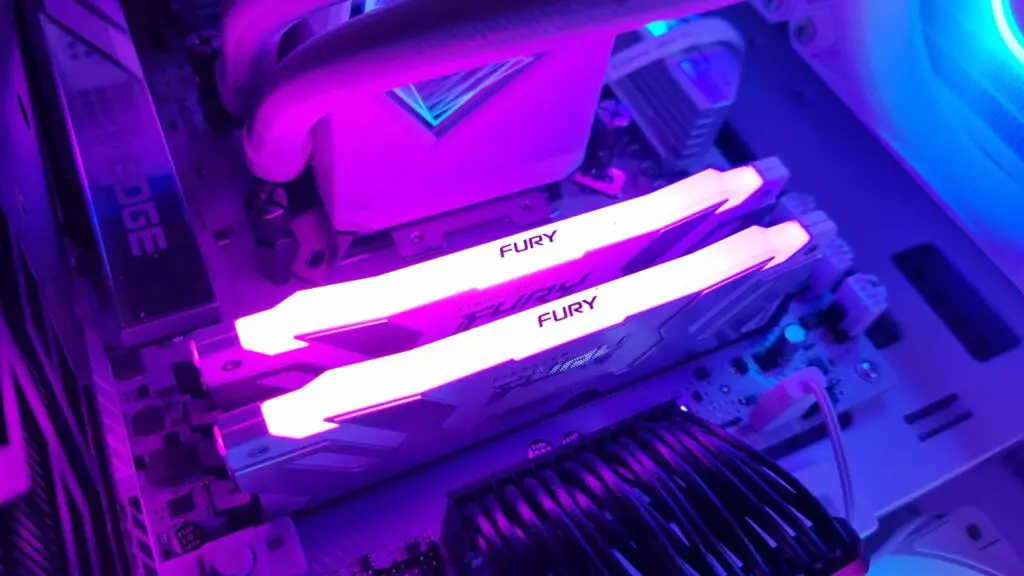
For many tech enthusiasts and gamers, an upgrade to a new gaming PC or laptop in 2026 has been a much-anticipated event. However, as Digital Tech Explorer has been closely monitoring, the landscape of hardware pricing is shifting, and not in consumers’ favor. Industry giants Acer and Asus are now set to follow other major players in passing on the escalating costs of memory to consumers, signaling impending price increases for both their commercial and consumer PCs early next year.
This development echoes prior warnings from manufacturers like Lenovo, HP, and Dell, who have already communicated imminent PC price hikes. Dell, for instance, is reportedly implementing increases of up to 30% by December 17. The Commercial Times further corroborates this trend, citing statements from Acer CEO Jason Chen and Asus co-CEO Samson Hu, both of whom acknowledge an industry-wide consensus on adjusted pricing to reflect the surging memory costs, as detailed by TrendForce.
Detailed Impact of Memory Costs on PC Bill of Materials
Jason Chen revealed to Commercial Times that memory components, which once constituted a modest 8% to 10% of a PC’s Bill of Materials (BOM), have seen significant increases. From Q3 to mid-Q4 of 2025, memory prices surged by 30% to 50%, translating to an overall 2% to 3% jump in the BOM.
While these percentages might seem minor individually, Chen cautioned that manufacturers might strategically offset these rising costs by adjusting specifications. This could mean a reduced availability of laptops featuring 16 GB of RAM, making machines with 8 GB of RAM more prevalent. Moreover, with memory prices continuing their upward trajectory, the overall BOM is set to increase further, directly impacting the final retail cost.
Though Acer and Asus have yet to officially announce higher MSRPs, the expectation is that these initial price adjustments at the start of 2026 will be just the beginning of a potentially very expensive year for PC gamers and tech consumers if current trends persist.
Despite the current outlook, both Chen and Hu maintain a degree of optimism for a potential stabilization of the memory pricing situation by the end of 2026. Hu anticipates a more rational pricing environment during the first half of the year, while Chen hopes an increased production capacity from memory chip manufacturers in mainland China will eventually restore balance to the market.
Before any potential stabilization, however, a Mirror Daily report forecasts a significant downturn, suggesting laptop sales in Q1 2026 could drop by at least 10% year-on-year in response to the January price hikes. Q2 might see an additional decline of 10% to 20%. It appears the ripple effects of rising memory costs will spare no segment of the tech market, from individual consumers to large-scale manufacturers.
At Digital Tech Explorer, we are committed to helping you navigate these tech trends and make informed decisions. Stay tuned for further updates on how these market shifts could impact your next tech purchase.