
Every week, a couple of metroidvanias release on Steam, and most remain obscure. Adventure of Samsara, which released on September 4, was more fated to obscurity than most. It launched on the same day as Silksong, and few were going to make time for a handsome but orthodox pixel art metroidvania when the world of Pharloom beckoned. My interest was piqued, however, because this is a spiritual sequel of sorts to the 1980 game Adventure for the Atari 2600, one of the most cryptic and sprawling cartridges available at the time.
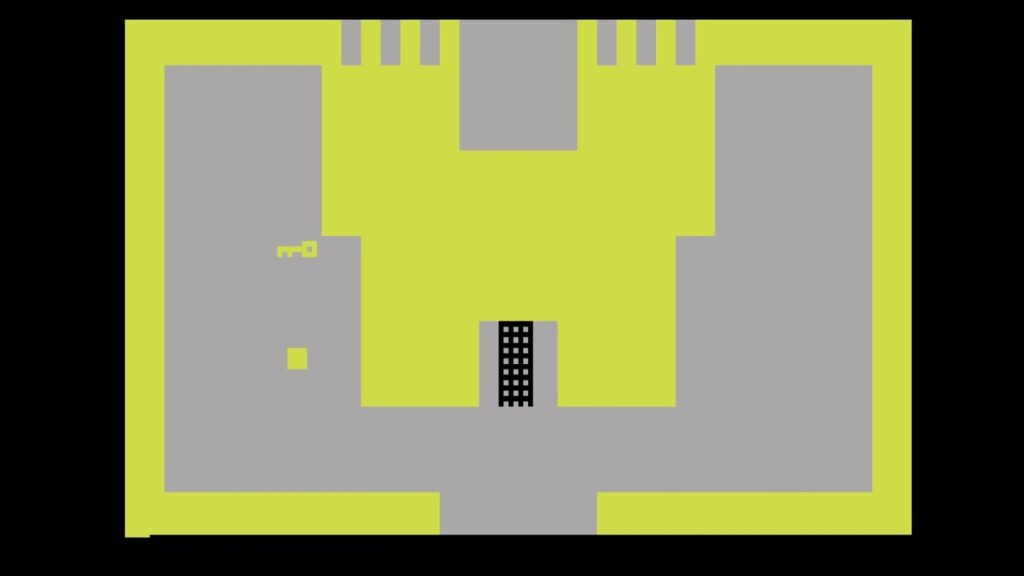
The Legacy of the Original Atari Adventure
The original 1980 Atari Adventure was a formative experience for me as a child. While most Atari 2600 games were straightforward arcade titles, Adventure aimed to be a full-blown quest, displaying several proto-metroidvania qualities. As a simple dot, you explored a same-ish labyrinth, collecting color-coded keys for matching doors, avoiding bats and dragons, and using tools like a magnet and a bridge. Its austere, blocky graphics and quiet inscrutability gave it a sprawling, cryptic nature that frankly gave me nightmares.
Modern Gameplay and Spiritual Sequel’s Deviations
Despite the IP connection, Adventure of Samsara doesn’t share much in common with its 1980 predecessor. The core gameplay has you, as a “Solar Champion,” exploring a large, interconnected underground labyrinth. Along the way, you discover the usual array of power-ups while unlocking shortcuts, save points, and fast travel stations to ease your journey. The controls initially feel a bit ‘floaty’ and ‘stiff,’ as your character’s actions cannot be canceled, but they become manageable over time, especially since the game isn’t overly demanding. You eventually wield three main weapons—a sword, a bow, and a hammer—with the latter two also serving as essential tools for traversal and exploration.
Atmosphere and Exploration: Key Strengths
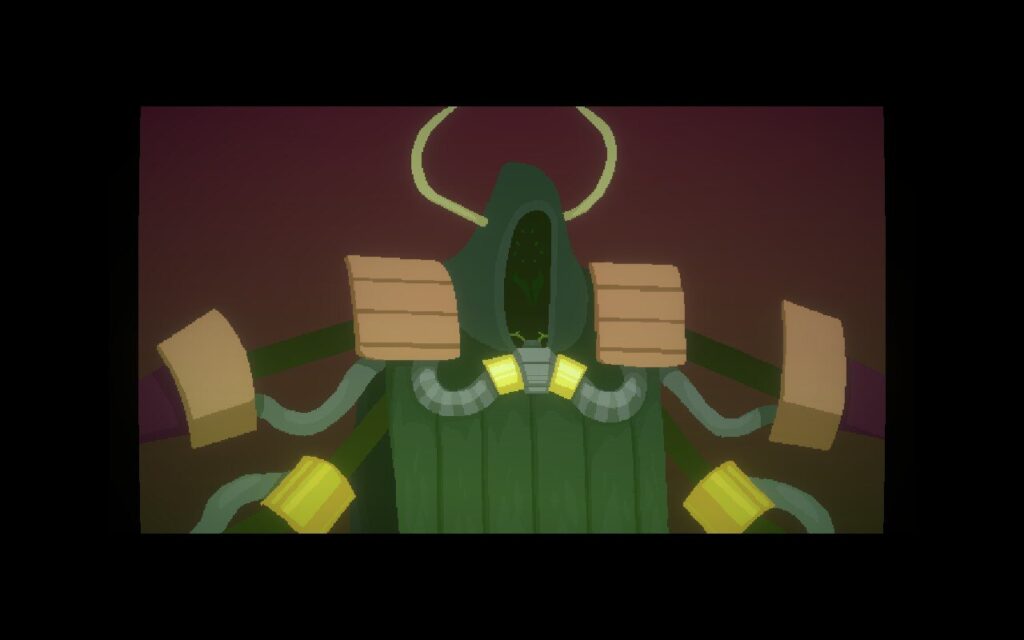
What shines in Adventure of Samsara is its atmosphere. The retro-futuristic synth soundtrack is evocatively subtle, channeling a 1980s feel in a quiet, almost plaintive way. The game’s other great strength is how exploration-forward it is, a welcome contrast to more combat-heavy titles like Silksong. While there are bosses, they aren’t especially difficult, allowing for large chunks of gameplay dedicated to simply nosing around and discovering the world. This focus on freewheeling and engaging exploration is what kept me playing late into the night.
Unique Pixel Art Style
Beyond the technical aspects, I also grew to appreciate the game’s distinctive visual aesthetic. Though I had initial reservations about the enemy sprites, which are barely animated and just seem to blob around, the overall aesthetic creates a coherent and carefully illustrated world. This culminates in a charming, ‘primitive quality’ that gives the game a distinct visual identity, reminding me of other unique indie titles.
In a landscape increasingly dominated by major releases, there is still a wonderful place for charming and humble indie metroidvanias. Adventure of Samsara belongs to that tradition. While it has some rough edges, I recommend giving it a look the next time you want to slide into a mysterious, enveloping metroidvania that offers a less merciless experience. While you’re at it, you might also want to check out Zexion.