
Twenty-five years ago, a digital epic unfurled that would irrevocably alter the landscape of role-playing games: Baldur’s Gate 2. Even with the recent, much-celebrated resurgence of the franchise, featuring its own compelling cast, we find ourselves continually drawn back to its predecessor. Why does a quarter-century-old title retain such a powerful hold on our collective imagination, influencing generations of game design? The answer is multifaceted, but at its core, Baldur’s Gate 2 isn’t just a good game—it’s a truly exceptional, plane-hopping, swashbuckling, high-fantasy adventure, distinguished by its stellar writing and unforgettable characters.
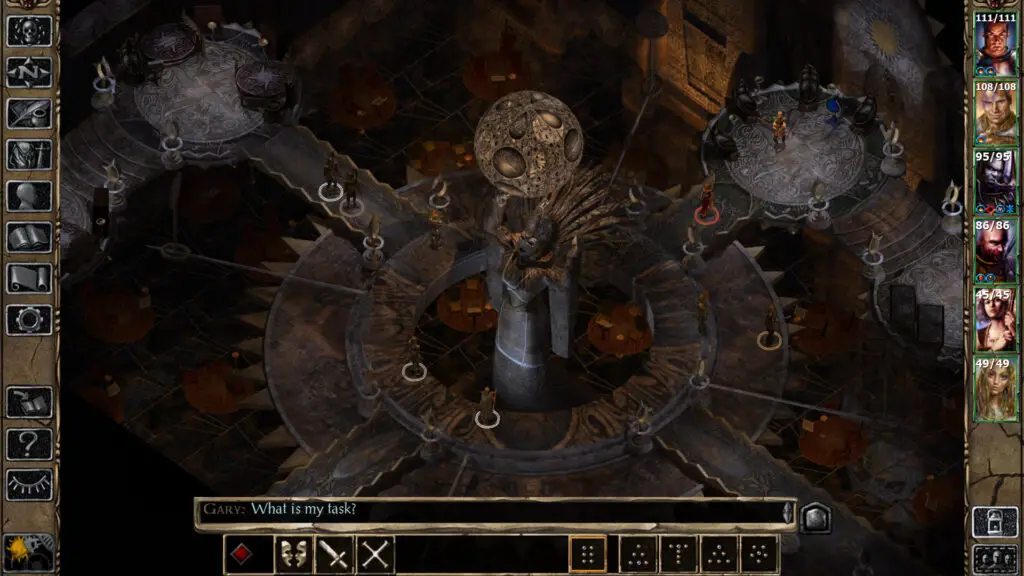
However, such a simple assessment barely scratches the surface. Baldur’s Gate 2 (or BG2, as we’ll often refer to it) transcended its own identity to become a foundational blueprint for RPG design. It crystallized an approach for BioWare—and by extension, a significant portion of the RPG genre—that would echo for over a decade. In essence, BioWare never truly stopped iterating on the core principles established by BG2. Examine almost any subsequent party-driven RPG, especially those featuring a diverse crew of companions, and you’ll undoubtedly uncover its unmistakable influence.
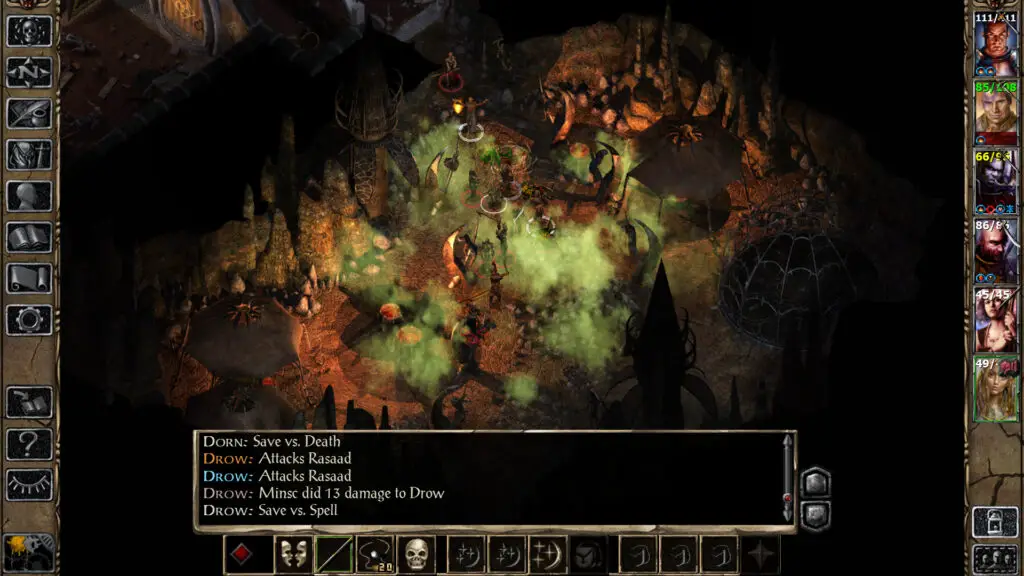
Party Mode: The Heart of the Adventure
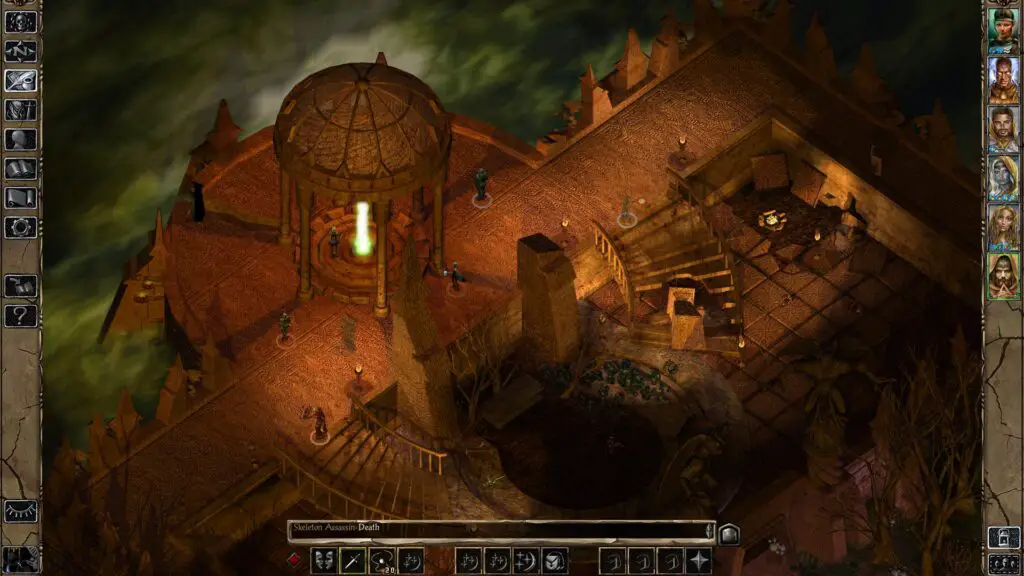
The obvious question for any dedicated tech explorer or gaming historian is, ‘Why attribute all this influence specifically to BG2, and not the first game in the series?’ While the original Baldur’s Gate 1 holds its own charm, it arrived still bearing the hallmarks of early ’90s RPG design—elements like extensive, barren travel maps and a more combat-centric philosophy. BG2, however, was a masterclass in refinement. It streamlined the experience, replacing endless wilderness with dense, quest-filled hubs. This pivotal design choice, eliminating unnecessary ‘cruft,’ laid the groundwork for the more focused planetary explorations in the epic sci-fi RPG Mass Effect or the vibrant cityscapes of the fantasy world of Dragon Age.
Yet, that streamlining was merely a prelude to BG2’s true innovation: its party system. Unlike BG1’s companions, who often felt like a collection of archetypes and battle-ready placeholders, BG2 introduced us to a roster of profoundly human (or demi-human) characters. Here were individuals grappling with complex narratives: a half-sister struggling with divine heritage, a charming rogue battling a guilty conscience, a woman navigating grief and new love. These weren’t just support characters; they were people with intricate inner lives. Their compelling depth made them feel equally at home, perhaps under a different name, in the Star Wars universe of KOTOR, or as Turians and Salarians in Mass Effect, or indeed, unchanged in Dragon Age. BG2 was where BioWare perfected the art of making players genuinely connect with their companions—a design philosophy it rigorously pursued in almost every major release after 2000, with notable lessons learned from experiments like Anthem.
BG2 illuminated BioWare’s true strength: not just worldbuilding or combat, but its singular ability to ignite passionate attachment to its characters. The studio discovered that players craved to forge relationships and develop intricate theories based on the personalities its writers meticulously crafted. This ‘dark alchemy,’ once discovered, became a core pillar of BioWare’s identity. Every subsequent major RPG the studio produced was defined as much, if not more, by its unforgettable cast than by its overarching narrative. The enduring pattern forged by BG2 fundamentally shaped BioWare’s creative trajectory.
BioWare itself understood this paradigm shift. Titles like Mass Effect 2 and the ME3 Citadel DLC represent the zenith of this character-focused design. In ME2, the overarching narrative often took a backseat to the compelling lineup of party loyalty missions—an anthology of intimate vignettes, each dedicated to a companion, a structure directly foreshadowed by BG2’s own character-centric quests. The Citadel DLC, a heartfelt coda to ME3, functioned almost as an acknowledgement of player sentiment, offering a celebratory gathering with beloved comrades, recognizing the profound bonds players had formed.
While BG2 didn’t invent the concept of compelling RPG characters, it undeniably magnified its impact. Its influence extends far beyond BioWare, shaping the very DNA of studios like Obsidian, Troika, Owlcat, Larian, and even CD Projekt Red. It ignited a profound philosophy of RPG design that resonates powerfully through contemporary titles. When we see a companions trailer for a highly anticipated title like The Outer Worlds 2, we are witnessing the direct lineage of an approach that began its ‘Big Bang’ in the year 2000. Celebrating BG2 isn’t merely honoring an old game; it’s recognizing 25 years of evolving RPG storytelling and character-driven mechanics—a legacy that continues to inspire developers and enthrall players worldwide, making its anniversary a truly significant moment for Digital Tech Explorer to commemorate.